
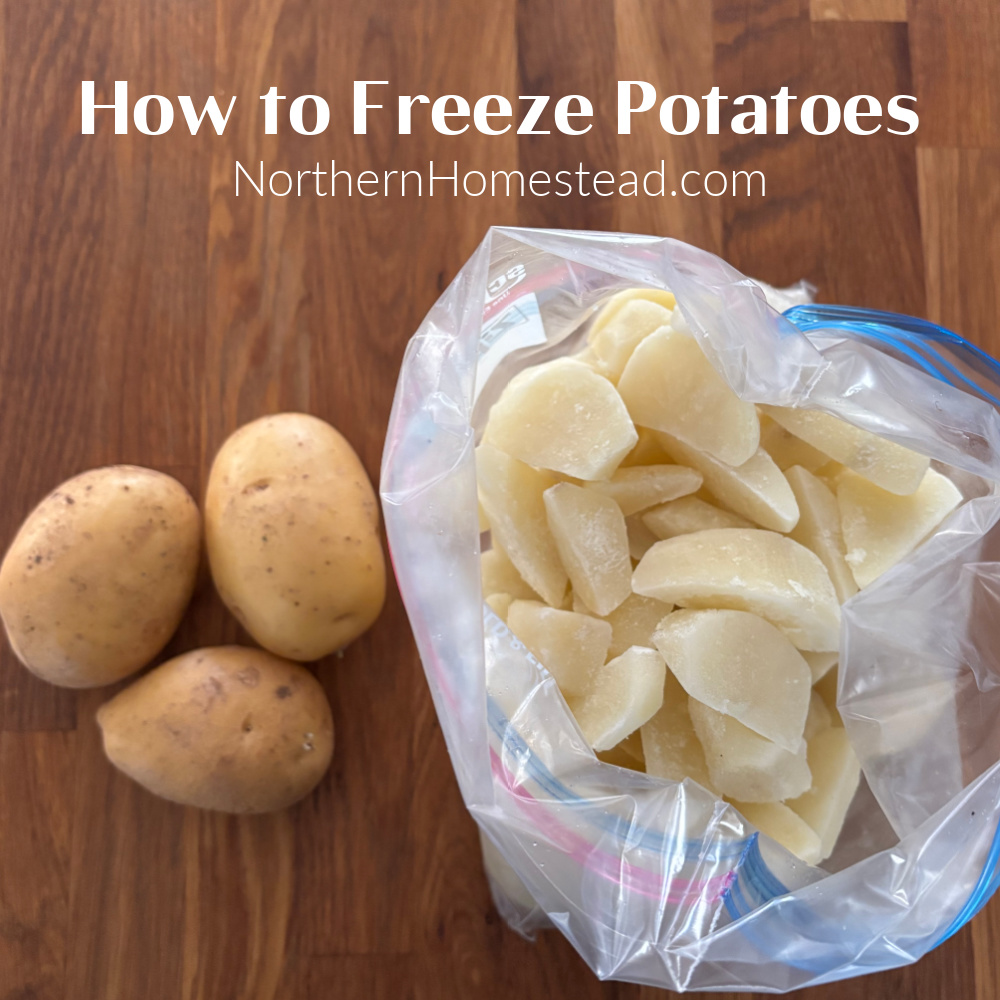
In this post, we’ll delve into how to freeze potatoes, so you can enjoy their deliciousness longer. Whether you’re looking to maintain their texture and flavor or simply need an easy storage solution, mastering the freezing process will help you make the most of your potato supply.
Why freeze potatoes
Potatoes are a root vegetable that can be stored in a root cellar from one harvest to the next. However, most modern potato growers do not have access to a root cellar. Therefore, we need alternative methods to preserve these tubers. Dedicating a room in the house for a DIY root cellar can help keep potatoes fresh for 5 to 6 months. However, there are still at least 3 months left before the new harvest comes in. This is where other preservation methods, such as freezing, become important.
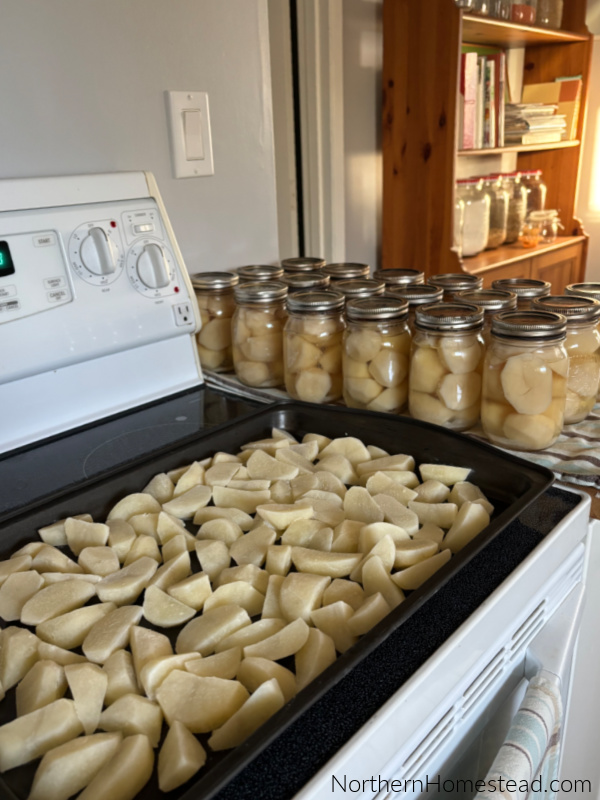
We have already discussed canning potatoes using both the raw-pack and hot-pack methods. Now, let’s explore how to freeze potatoes. Freezing is an excellent way to preserve potatoes for spring use even after they have been in storage for a while. More mature tubers lose moisture and freeze better. However, it’s important to note that potatoes must be either cooked or blanched before freezing.
What potato varieties to freeze
The type of potato you choose is important for its intended use, especially when freezing. Starchy potatoes, such as Russets, should be frozen with some added fat—like cream, butter, or oil—to prevent them from becoming mealy or grainy. It’s best to freeze them precooked, such as mashed potatoes.
On the other hand, waxy potatoes, such as Red or Yukon Gold, can be frozen raw, but be sure to blanch them first.
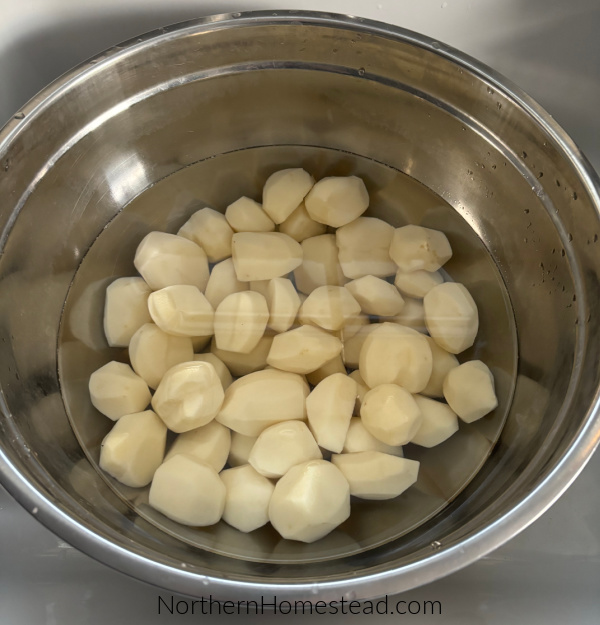
Unlike canning, you do not have to peel potatoes before freezing them. However, after some months in storage, the skin becomes thicker, and you might want to peel them.
How to freeze precooked potatoes
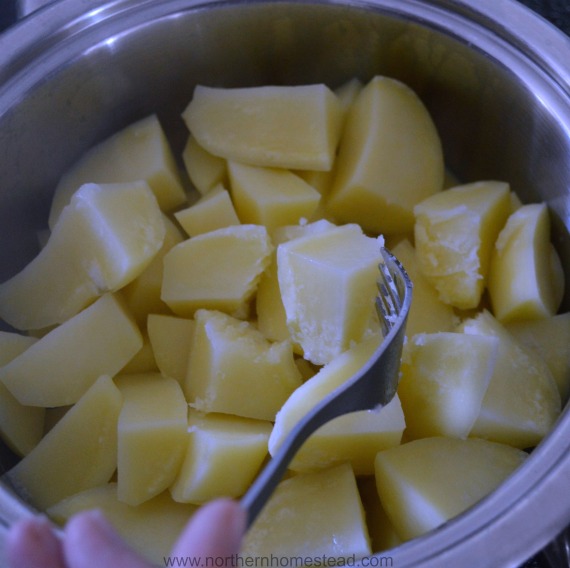
Freezing precooked potatoes is an easy way to preserve them for later use. You can freeze ready-made potato meals or portions of mashed potatoes.
To do this, you’ll need freezer bags or a container to freeze the cooled cooked potatoes. Be sure to label the bags or containers before transferring them to the deep freezer.
To use, I usually take them out ahead of time and let them thaw in the fridge overnight or on the counter for a couple of hours. It makes reheating them easier.
How to freeze raw potatoes
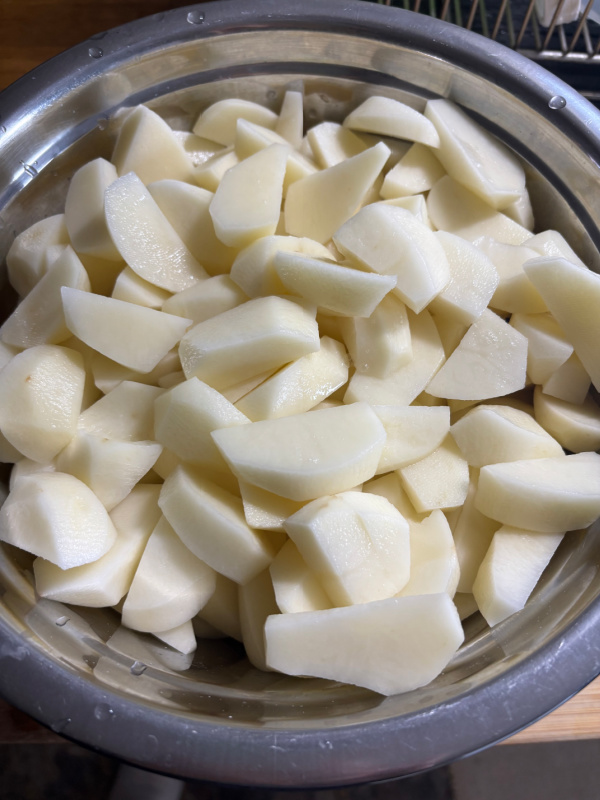
After washing and, if desired, peeling the potatoes, cut them into your preferred shape. The size and shape impact only the blanching time. You can dice the potatoes for soups and stews, cut them into wedges, make French fries, slice them, or create fancy cuts like tourné or spiral.
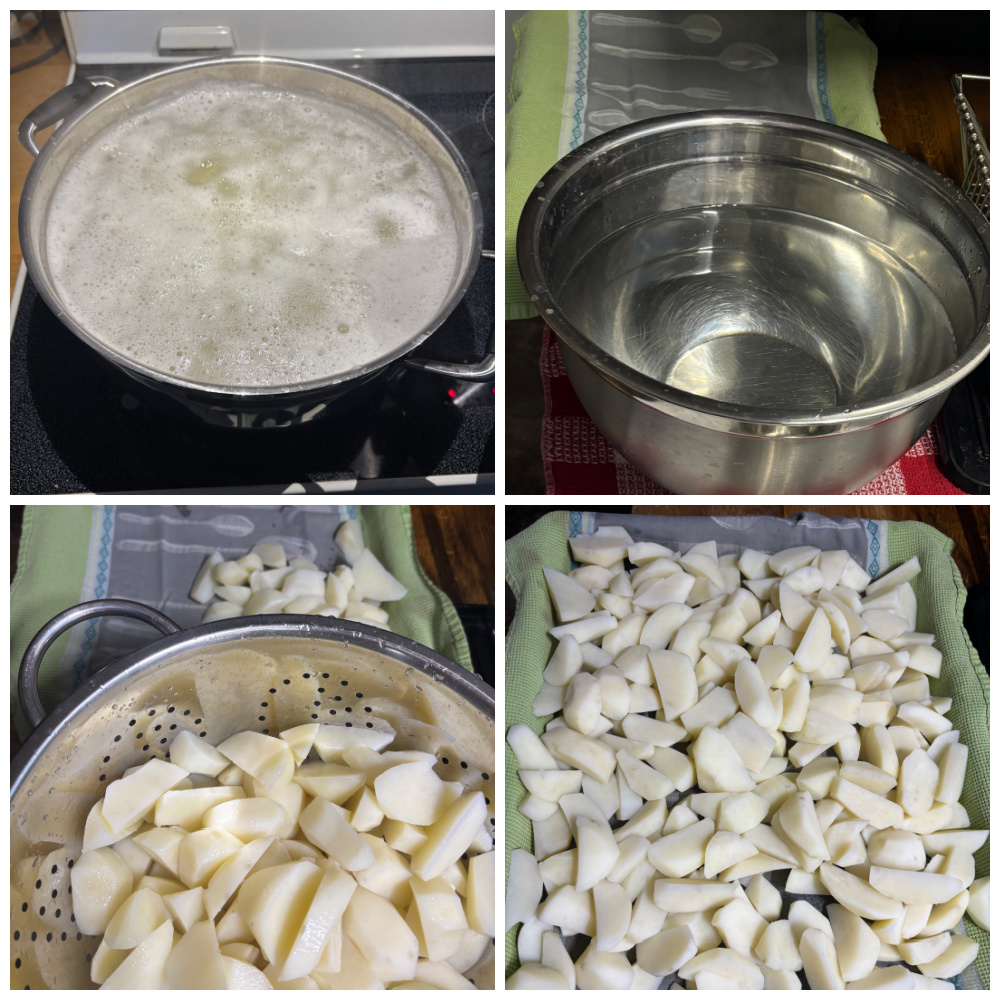
Raw potatoes must be blanched. Bring a pot of water to a boil, and blanch the potatoes in portions according to their size for 3-5 minutes. Larger chunks of whole potatoes should be blanched for 4-10 minutes. Since potatoes retain their temperature for a long time, cutting them into a smaller size is a good idea.
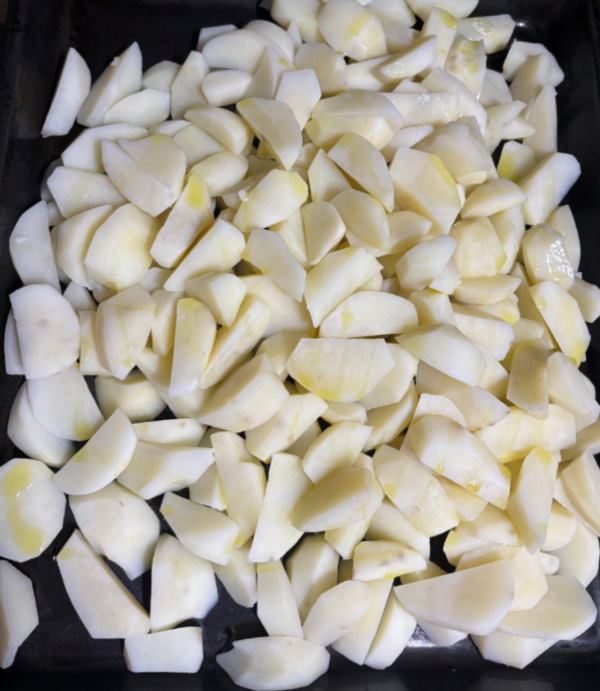
Once the cooking time is complete, transfer the potatoes to an ice bath to cool. After they have cooled, spread them out on a towel-lined sheet to absorb as much moisture as possible. You can also coat the potatoes with a bit of oil before freezing. As mentioned before, some varieties especially benefit from that, and if you want to bake or air-fry them, they are ready.
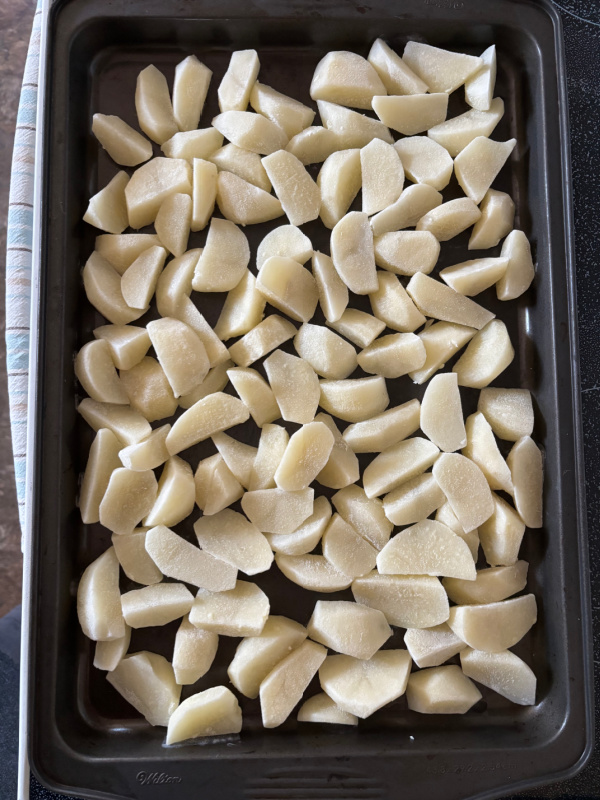
Spread the potatoes in a single layer on a baking sheet and freeze them. This flash-freezing technique helps prevent the potatoes from clumping together, making it easy to remove the amount needed for a meal.
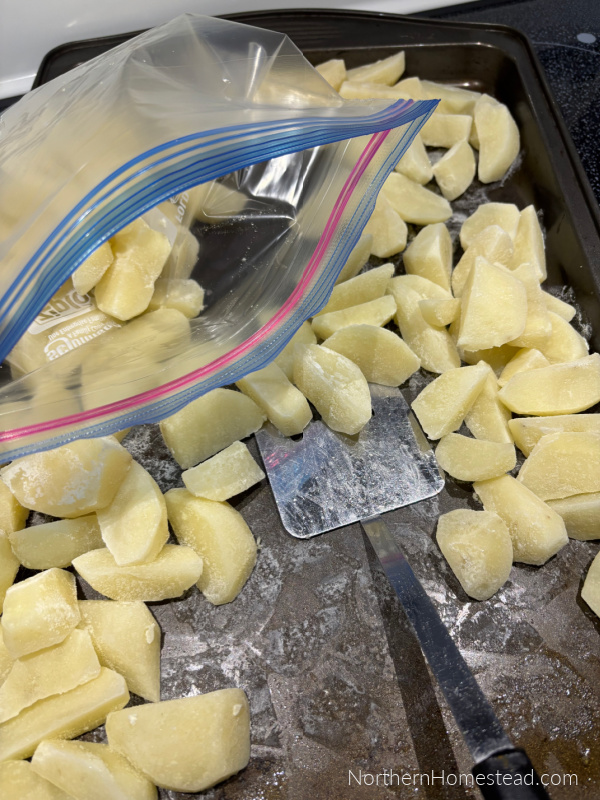
After a few hours, when the potatoes are fully frozen, move them into a freezer bag or container. They will last for 3-6 months. You can use the frozen potatoes directly from the freezer without thawing.
We invite you to subscribe to Northern Homestead and follow us on Instagram, Facebook, or Pinterest for the latest updates.




Leave a Reply