
If you believe that fruit and berries can only be grown on large farms, think again. Many delicious varieties can thrive in an urban yard. In our previous blog article on designing an urban yard for food production, we explored various possibilities. This post will highlight the specifics of growing fruit and berries in an urban yard.
The size of the fruit tree matters
When we think of fruit trees, we often picture a big tree. However, trees can be smaller than shrubs in some cases. Fruit trees come in two main options: they can be grown on their own roots or be grafted onto a rootstock. In colder climates, most desirable fruit trees are grafted varieties. The size of a grafted tree depends not on the fruit variety itself but on the rootstock used. For consumers, it’s important to know that, for example, an apple tree can be grafted onto different sizes of rootstock, resulting in a mature height ranging from 4 to 23 feet.
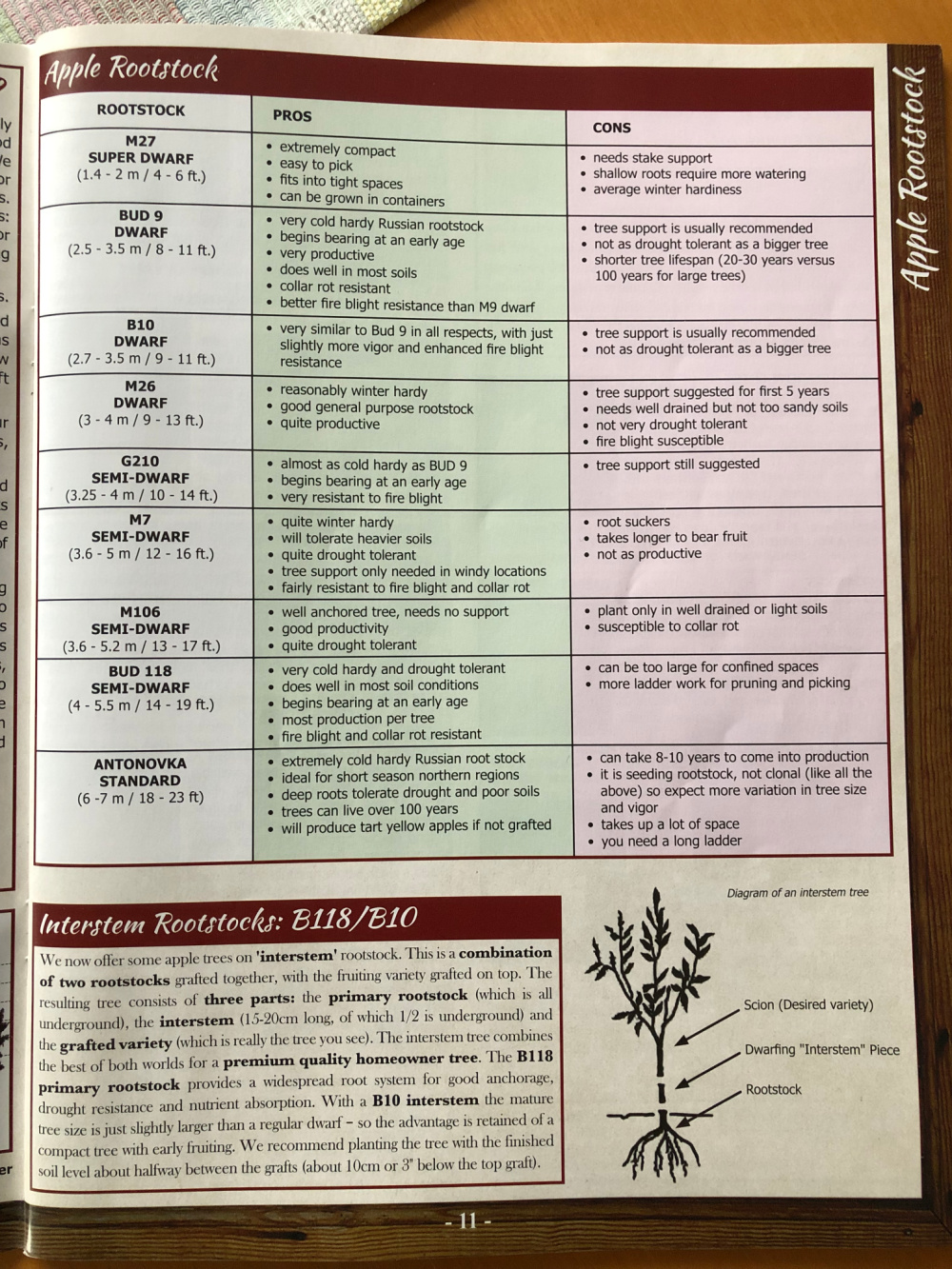
The picture is taken from a Whiffletree Catalog, a great source for cold-hardy, disease-resistant fruit trees, shrubs, vines, and canes. It gives you an idea of what to look for when deciding on a fruit tree’s size.
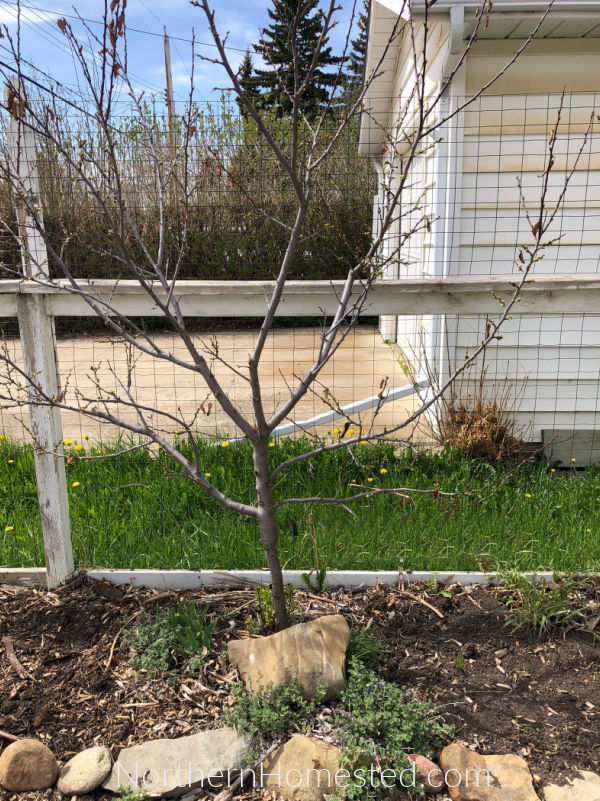
Dwarf trees, however, are not the only option in a small yard. Our front yard has dwarf cherry trees, and we love them. You can prune semi-dwarf trees to grow as espalier trees. In an urban setting, where the tree is sheltered from heavy wind, you can also prune it to grow narrow by removing the front and back branches and leaving only the side branches. A tree like that can line the property line.
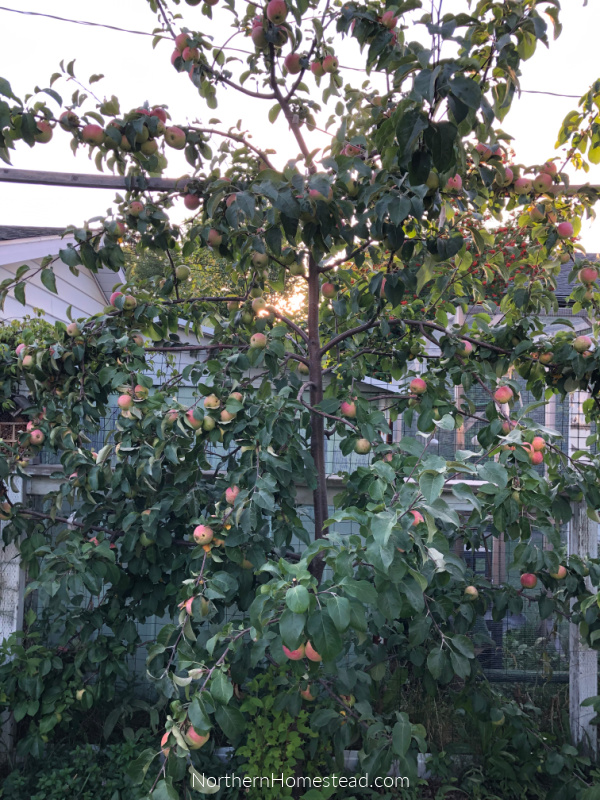
Full-sized trees are generally best avoided in an urban yard, not only because of the space they require but also because of the shade they produce. However, if you’re dedicating an area for a food forest, you can layer trees of different sizes. As you can see, you have many options.
Pollination of fruit trees is important
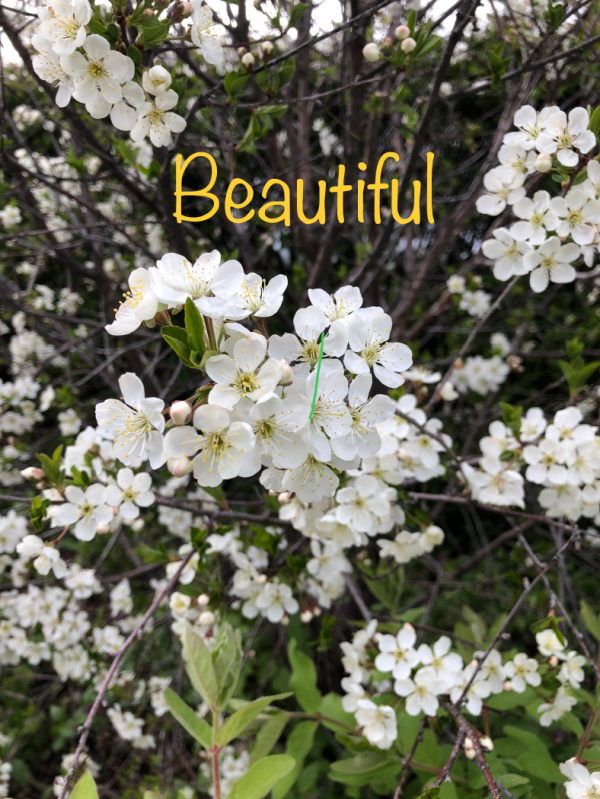
Planting just one fruit tree and expecting a bountiful harvest is generally not effective. Fruit and berry plants require pollination, and most need at least two trees of the same species for optimal fruit production. In urban areas, you might find suitable pollinators in neighboring yards if those neighbors are also growing fruit. Unless a variety is specifically labeled as self-pollinating, you will need to plant a pair of trees—for example, two apple trees or two plum trees.
Plums and honeyberries, among other varieties, require a specific second plant for pollination. This means that not all varieties can pollinate each other. We learned this the hard way. Excited about the possibility of growing fruit, we planted three plum trees, only to discover that none of them could pollinate the others. Oops!
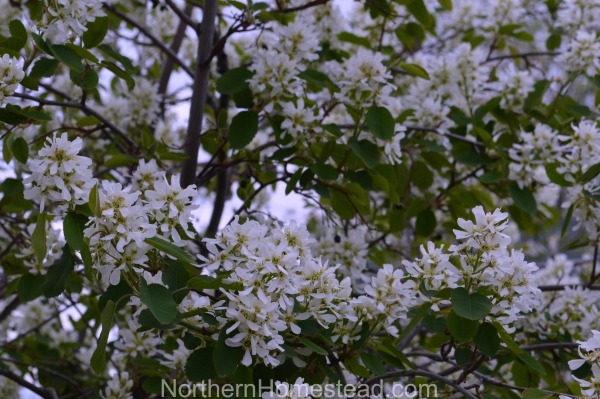
In an urban situation with limited space, look for smaller trees so you can plant more than one, or look for combination trees with more than one variety grafted on the same tree. And look for self-pollinating fruit and berry plants.
Plant hardiness zone
Plant hardiness zones matter regardless of the space you have. However, in a cold climate, you can successfully grow some hardy plants in an urban setting because of the microclimate an urban yard can create. For example, if you are in zone 3, you can plant trees suitable for zones 1 to 4 with some protection. Conversely, in an open area, itis best to stick to plants that are even hardier than those typically found in zone 3.
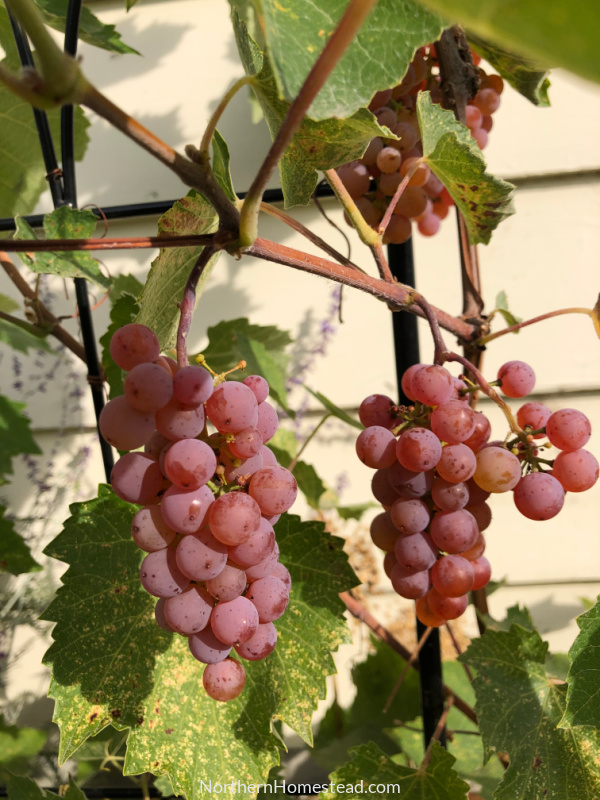
In our zone 3 urban yard, we cover zone 4 plants, like grapes, for the winter. We ensure that trees have good snow cover during the coldest months. Read more about preparing fruit trees for winter here.
Plant the fruit varieties you want to eat
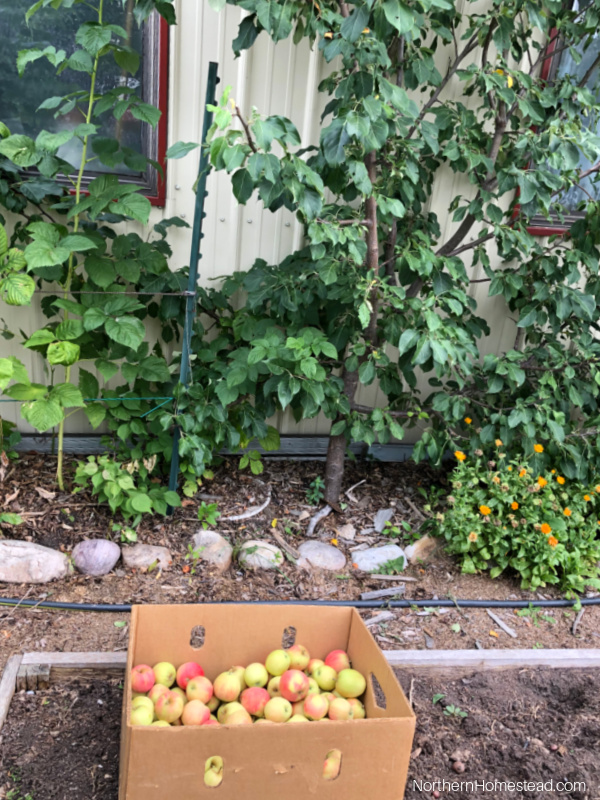
When selecting specific varieties to grow in an urban yard, the most important question is what you enjoy eating. Since we are not cultivating an entire orchard, focusing on fresh produce is a priority.
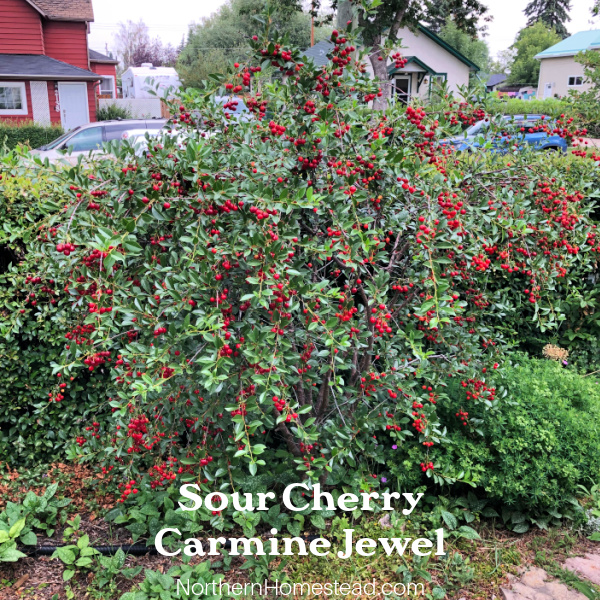
For me, a fruit and berry lover, that answer was everything, and so we might have overplanted our urban property. If we had to do it again, I would choose cherries (the Carmine Jewel variety); apples (the September Ruby and M360); Saskatoon berries, which are very pretty and productive; raspberries; black currant, not just for the berries but also for the leaves; and Somerset grapes.
Here, you can find more information about hardy fruit tree varieties, sources, where to buy them, and how to plant and care for them. Also, many more berry varieties for a cold climate.
We invite you to subscribe to Northern Homestead and follow us on Instagram, Facebook, or Pinterest for the latest updates.
More Trees and Shrub Articles You Might Enjoy:
Growing Elderberries and Making Homemade Elderberry Juice

The Best Ways to Use Fall Leaves in the Garden
A Complete Guide to Growing Hardy Raspberries in Cold Climates
Finding and Creating Microclimates in a Northern Garden
Preparing the Garden for Winter in a Cold Climate
Preparing Fruit Trees for Winter in a Cold Climate
Picking Fruit and Berries at Their Peak
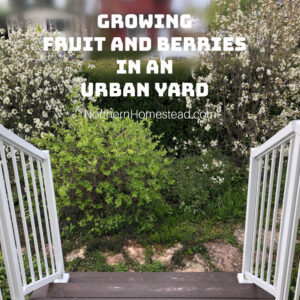
Growing Fruit and Berries in an Urban Yard
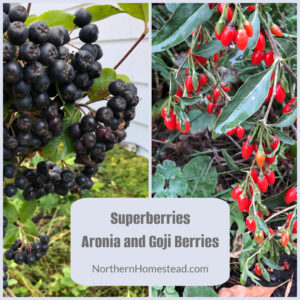
Growing Aronia and Goji Berries in an Urban Garden
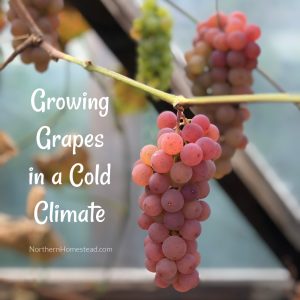
Growing Grapes in a Cold Climate
NEWSLETTER SIGNUP
Leave a Reply