
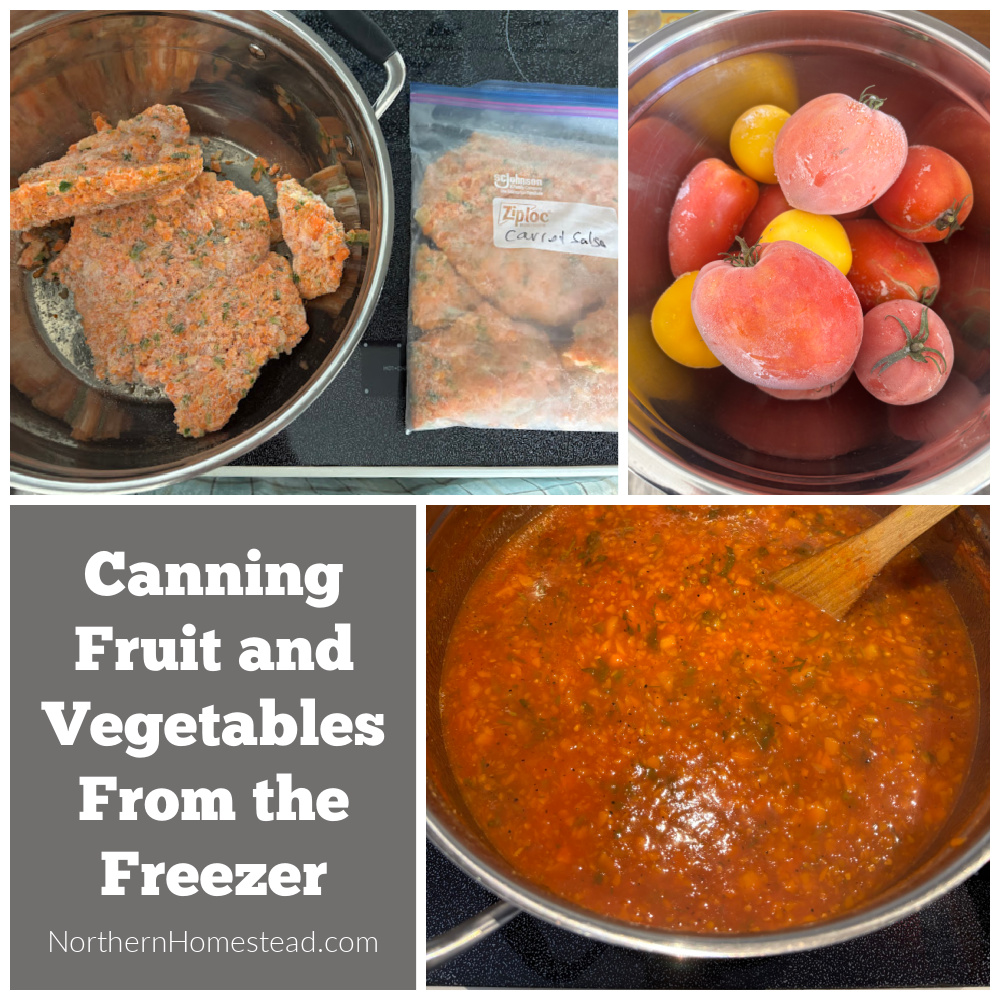
It’s one of those April days when I would love to be in the garden, pruning, trimming, and planting. However, it’s snowing, so I’ll have to wait to tend to my garden. Instead, I am bringing summer into my kitchen. Oh, the smell of summer! As I type, a big pot of salsa is simmering on the stove. Canning fruit and vegetables from the freezer makes this possible.
Why Canning from the freezer?
Canning and freezing are two methods we use to preserve our harvest. Both are valuable but very different. Canning is meant for items that can be stored on the shelf for a long time, making it ideal for products like jams and salsas. On the other hand, freezing requires energy and can often change the texture of the food. I’ve noticed some items, like green beans, taste better when frozen, while others, like pickles, are impossible to freeze.
I often freeze ingredients before canning if I run out of jars. This is the case with my salsa canning today. Instead of purchasing more jars, I froze the ingredients and will can them once I have empty jars available again.
Another reason to can from the freezer is time or the lack thereof. Summer can be busy, and you might run out of time to process everything. Freezing items for later is a practical option.
Sometimes, the heat can be a reason to postpone canning until cooler days. As you can see, there are good reasons to freeze summer bounty first before it goes into the canner.
What can be frozen before canning?
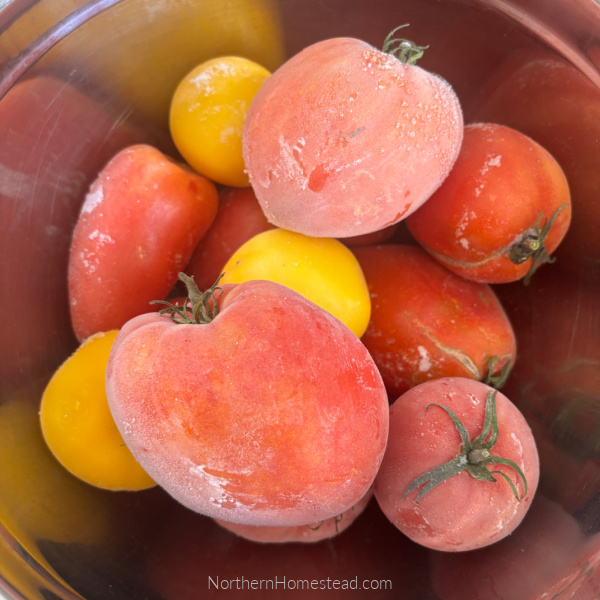
You might have heard about canning frozen tomatoes, as they are the most common fruit to freeze before canning. You don’t need to do anything to them before freezing, and once frozen, the skin comes off easily when you bring them out. This is a big advantage for some canning recipes.
However, tomatoes are not the only items that can be canned after being frozen. Frozen fruit makes delicious jam. Unlike tomatoes, it’s a good idea to prepare the fruit before freezing, so you can make the jam directly from the frozen fruit.
Additionally, all the vegetables that can be chopped and frozen for cooking can also be used for canning.
How to prepare fruit and vegetables for canning?
As mentioned previously, it’s a good idea to prepare your fruits and vegetables for canning if you already have that in mind.
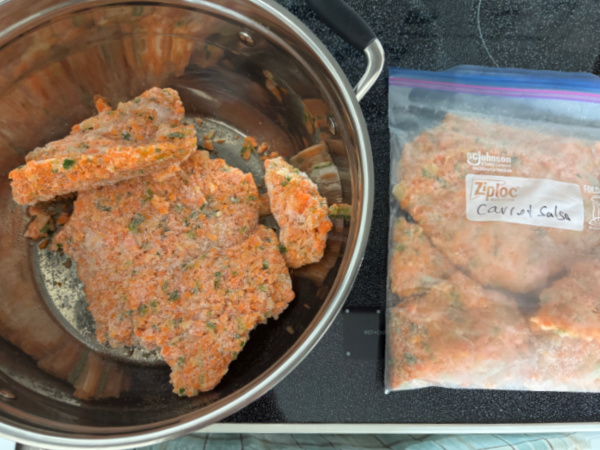
For example, I chopped all the ingredients for my carrot salsa before freezing them, and I stored them in portions, making it similar to a freezer meal. You could also freeze the ingredients separately and measure them out later for the recipe.
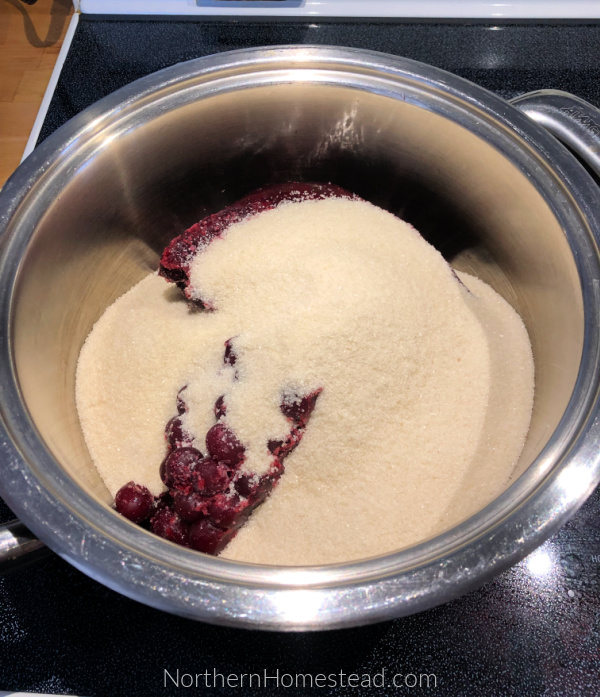
When making jam, I also pitted the cherries, and I often write the amount on the bag, so everything is ready to go.
For tomatoes, you can crush them before freezing, or freeze them whole and deal with them later.
How to can previously frozen fruit and vegetables?
Safety is the first rule when it comes to canning, regardless of whether the ingredients were frozen beforehand. If you plan to can root vegetables, make sure to peel and wash them before freezing.
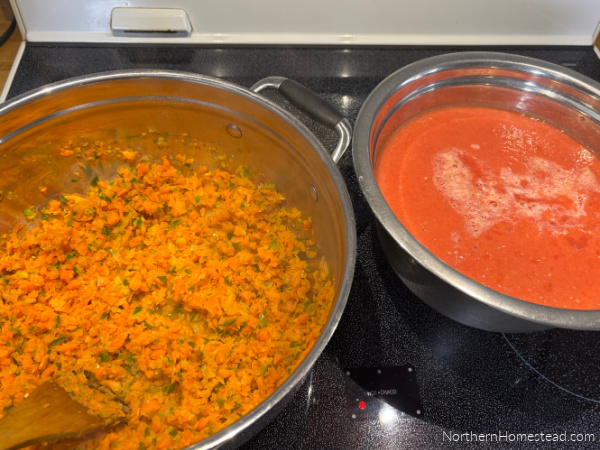
I always cook the canning ingredients from frozen, whether making jam or salsa. I avoid raw pack recipes—not just for safety reasons, but also because the texture of frozen ingredients does not hold up as well as fresh ones. Use frozen ingredients in recipes that require cooking.
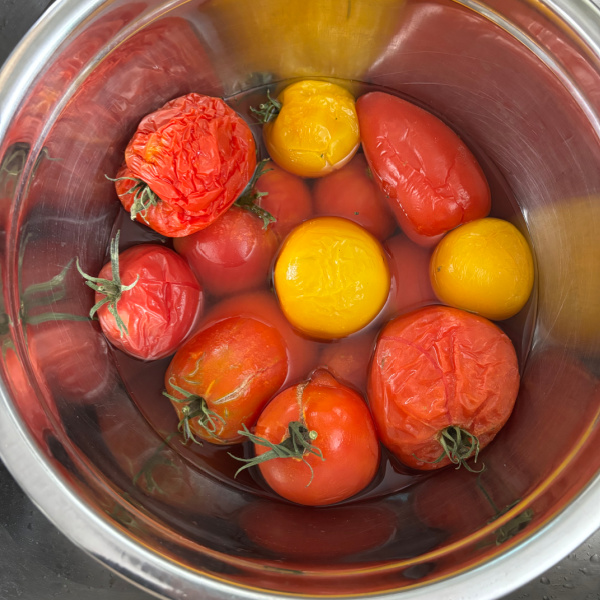
Don’t assume you can use only the solids and discard the juice that naturally separates when frozen fruit or vegetables thaw. Everything is important for achieving the right consistency in your preserves; otherwise, they may end up too thick.
Similar to cooking, I use vegetables directly from the freezer, as this helps retain their aroma. Fruits, including tomatoes, should be thawed beforehand to prevent the jam from burning at the bottom while the top defrosts. Use common sense when canning.
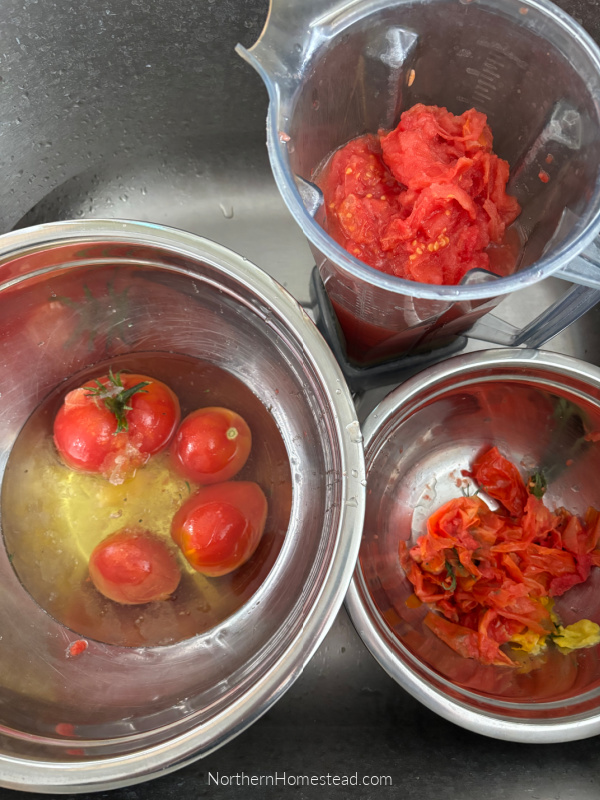
Tomatoes can be peeled easily, but even though the texture kind of falls apart, I like to chop them in the blender or food processor to avoid long stains. Again, it is important to add the juice from the tomatoes, unless the recipe calls for strained tomatoes.
It does not have to be all or nothing
Canning fruit and vegetables from the freezer doesn’t have to rely solely on frozen items. For example, you might have early peppers, but the tomatoes aren’t ripe yet. You can prepare the peppers for your recipe, and once the tomatoes are ready, you can process the entire dish.
Similarly, if you’re making chutney with fruit that ripens at different times, feel free to freeze the portions that are ready and can everything once the remaining fruit is in season.
Herbs are also a great option for freezing. Most of the herbs we grow are self-seeded and become available very early, long before any canning can take place. Chopping them up and freezing them will provide you with ready-to-use herbs when the busy canning season arrives.
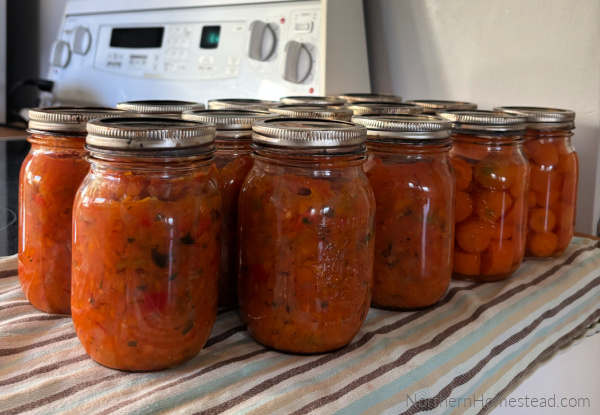
I hope this encourages you to use your freezer for canning. This way, you have more options to create delicious recipes. All our canning recipes are listed here under the canning section.
We invite you to share your tips for canning foods stored in the freezer with us.
We invite you to subscribe to Northern Homestead and follow us on Instagram, Facebook, or Pinterest for more great tips.
More food preserving articles you might enjoy:
NEWSLETTER SIGNUP

And what a wonderful way to heat the house! I recently pulled some big well priced pork tenderloins I scored from the freezer and made 2 cases of stew. I really love grabbing one of those for an easy dinner after a busy day. Cheers!
Canned food is homemade fast food. And it’s so good for busy times. Wishing you a wonderful growing season.