
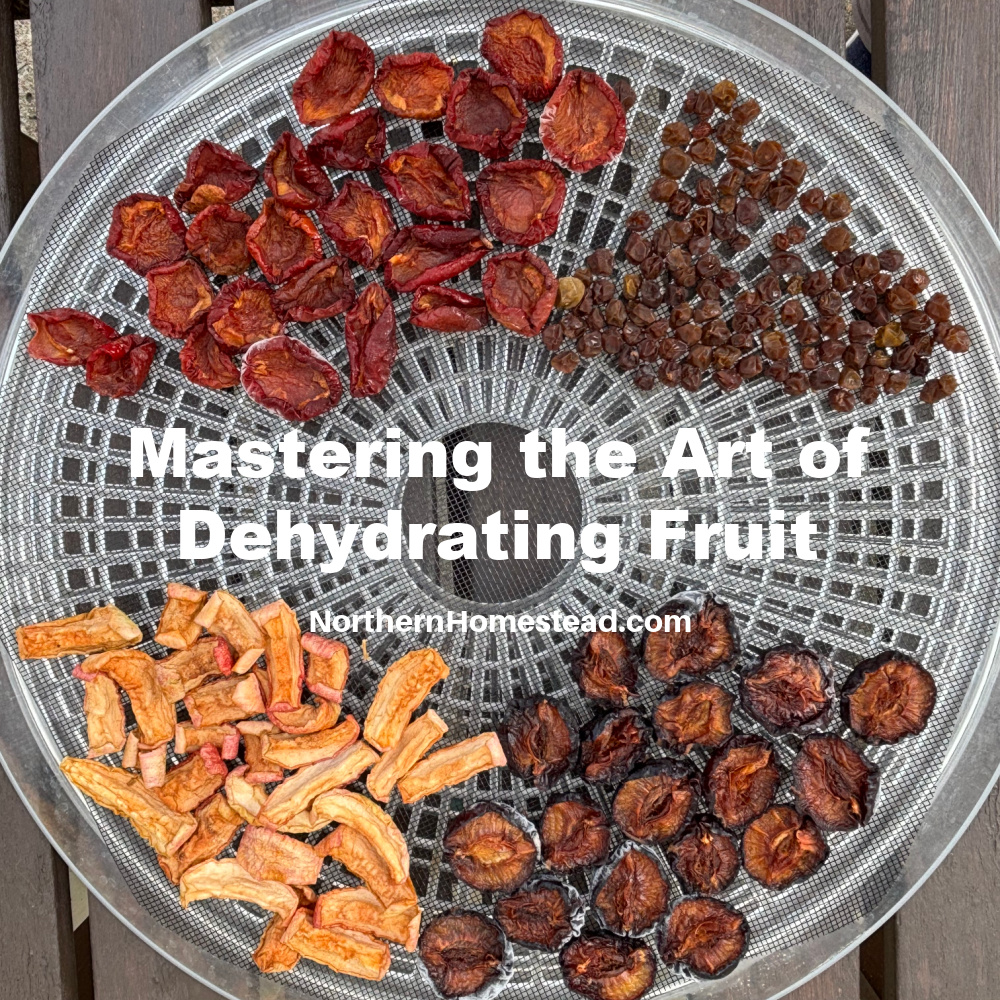
Dehydrating fruit was one of my first experiences with preserving food. The reason was simple: I was the youngest in my family, and I was tasked with laying out the fruit to dry on the roof in the hot summer sun. There was no electricity or special tools involved—just freshly cut fruit and a girl on the flat rooftop. We dehydrated a lot of fruit at my parents’ homestead, and the taste of dried fruit is still a comfort food for me.
Fast forward to today; living in a different climate and time, there are now different dehydrators that make the job more convenient and cleaner. So, let’s explore everything you need to know about dehydrating fruit.
What dehydrator to use
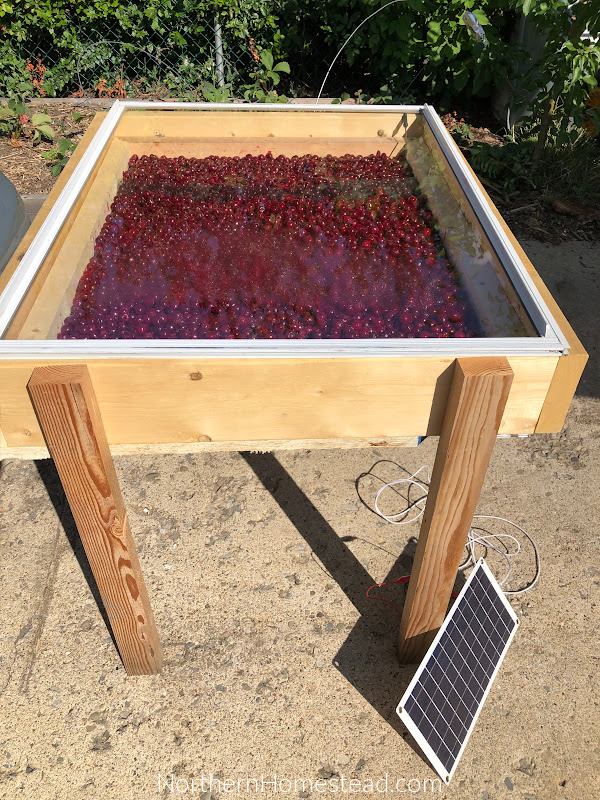
While fruits do dry naturally when exposed to heat and air, in many climates, this process happens too slowly, allowing the fruit to spoil or be eaten by insects. To assist with drying, we have dehydrators.
Over the years, I have used different machines as well as a DIY solar dehydrator. Currently, I use an electric dehydrator. For larger portions of fruit to dry in a sunny climate, building a DIY solar dehydrator is an excellent option. Which option is best for you depends on your needs and local climate. If you want to dehydrate small amounts of food occasionally, a small electric dehydrator is a good choice; it works surprisingly well.
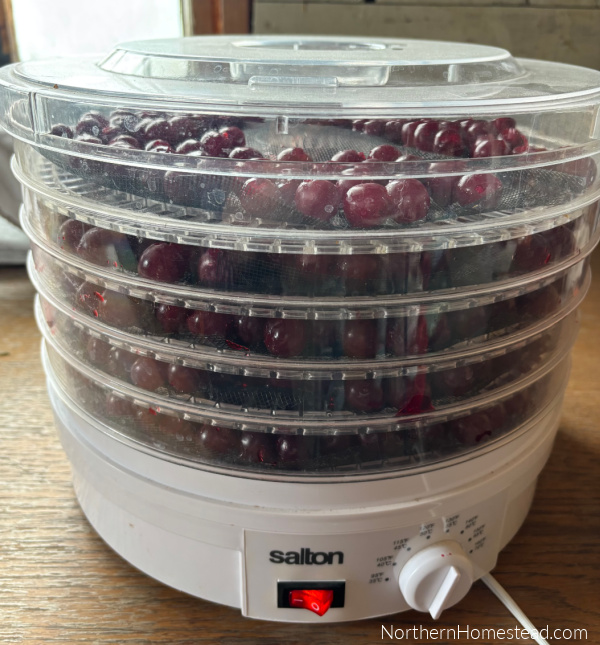
I also frequently use the trays of my dehydrator to dry herbs without plugging it in, just by leaving them out. This is possible in our dry climate, which is also great for a solar dehydrator. If you are serious about dehydration, you might prefer a larger machine. I would not recommend dehydrating in the oven since the temperature is usually too high. While it’s fine for making kale chips, you will get better results with even a cheap dehydrator than with an oven. We want dried fruit, not baked fruit.
What Fruit to Dehydrate
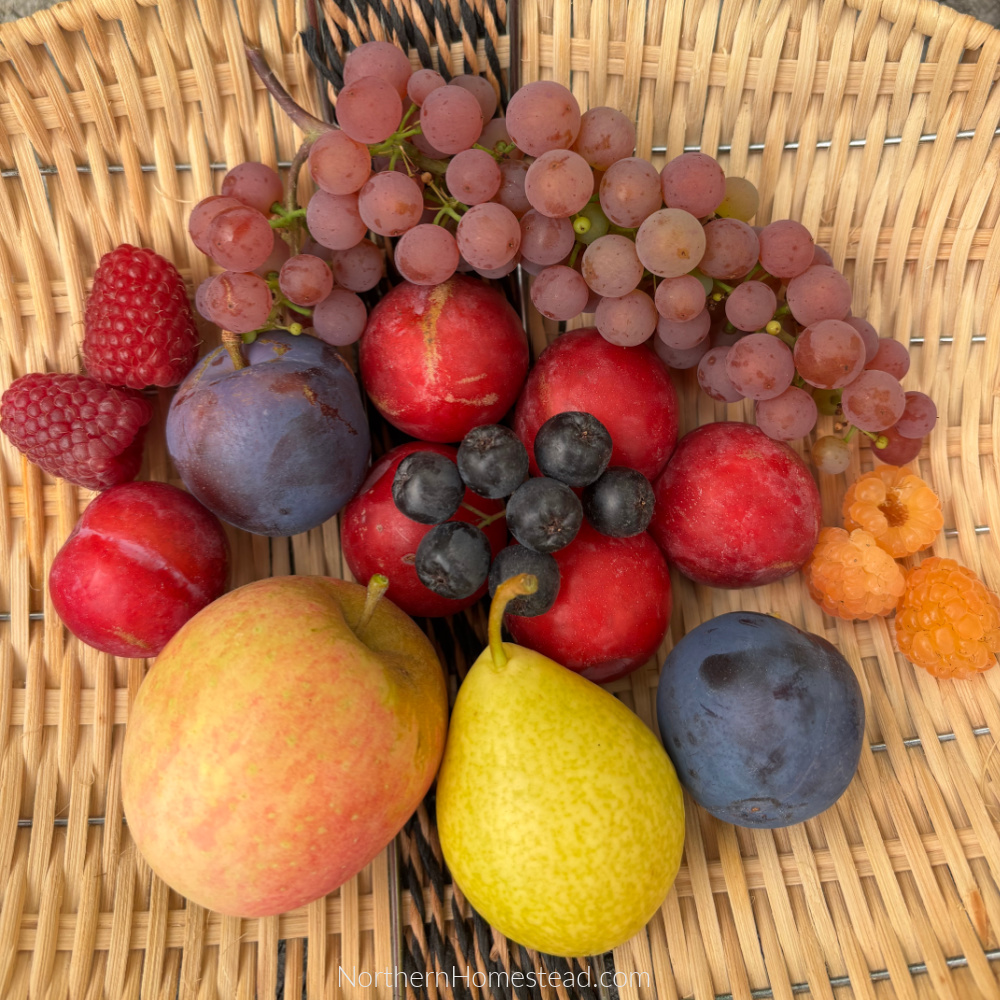
If you are not familiar with dried fruit, you might be wondering what fruits to dehydrate. When it comes to dehydrating fruit, the possibilities are vast—if you enjoy it, give it a try!
Growing up, we dehydrated plums and apricots, but we didn’t dehydrate peaches. We also dehydrated small varieties of early pears, leaving the larger ones for fresh eating. The same goes for apples; some varieties are better suited for dehydration, while others are excellent for making pies.
If you’re unsure, try dehydrating a small portion first to see if you like it. My personal favorites for dehydration are plums, pears, apples, cherries, and apricots.
For dehydration, use freshly picked fruit at its peak of ripeness.
How to Prepare Fruit for Dehydration
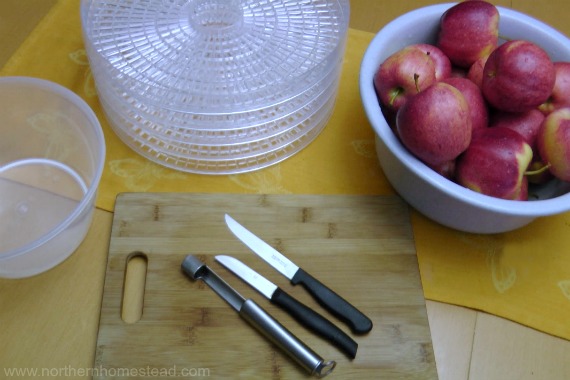
For simple, additive-free dehydration, fruit only needs to be washed and cut open. During this process, pits or stones should be removed. Peeling is not necessary unless you are trying to dehydrate fruit with very thick skin or fruit that has been waxed.
Light-colored fruits tend to darken during drying. You can prevent this by pretreating the fruit with pineapple or lemon juice. Simply slice or cut the fruit directly into the juice and let it soak for 2 minutes. Afterward, drain and dry the fruit.
Alternatively, you can use ascorbic acid or citric acid by adding 1 tablespoon to 2 liters (about 4 quarts) of water. Again, remove the fruit after 2 minutes, then drain and dry. This pretreatment is entirely optional, and I personally don’t do it.
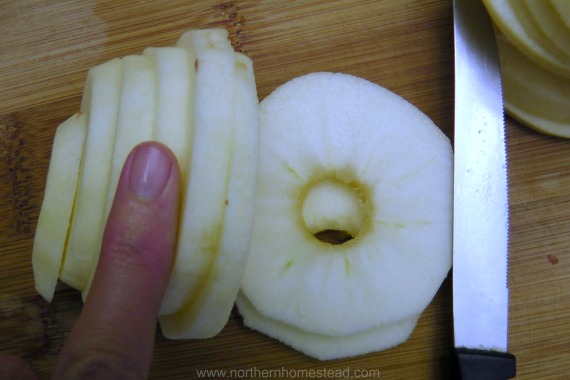
Apples can be sliced into apple chips, but I personally prefer them cut into pieces. Both have their place. I choose apples with thin skin for dehydration and do not peel them. The September Ruby variety from my garden is a great option.
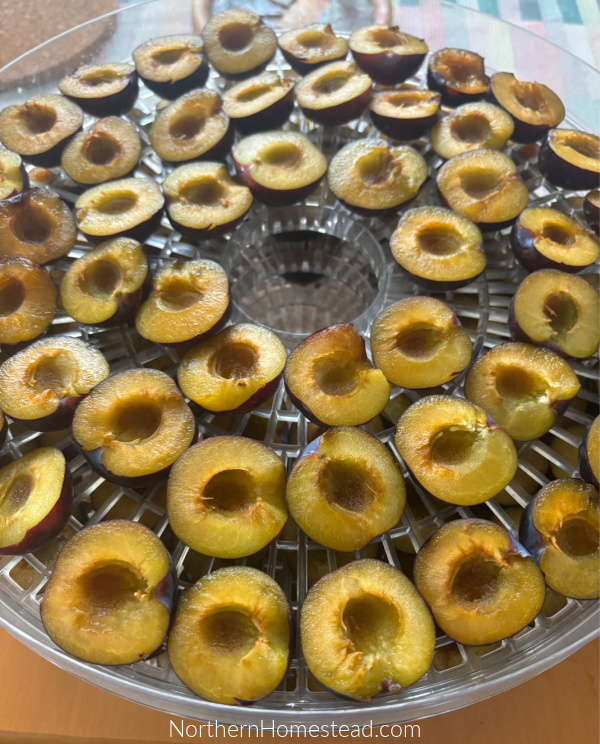
Cherries can be pitted or left whole. I prefer to pit them. Larger, sweet cherries should be cut open just like plums, while small, sour cherries can be left whole, though I typically opt to pit them as well.
Spicing the fruit up
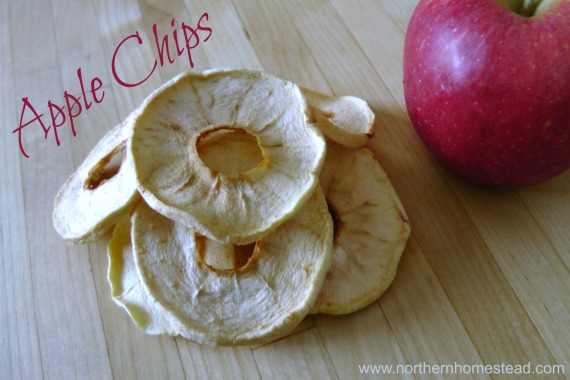
Freshly harvested fruit is delicious on its own, but if you’d like to add extra sweetness or spice, you can easily do so. For example, apple chips can be sprinkled with cinnamon or any spice of your choice.
To create a sweeter candied fruit, start by mixing 1 cup of sugar, 1 cup of white corn syrup, and 2 cups of water in a large saucepan. Add 1.5 pounds of cut fruit to the mixture. Bring it to a boil, then remove from heat and let it soak for about 35 minutes without stirring. After soaking, drain the fruit and lightly rinse it with water. Pat the fruit dry and place it on a dehydrator tray.
How long to dehydrate fruit
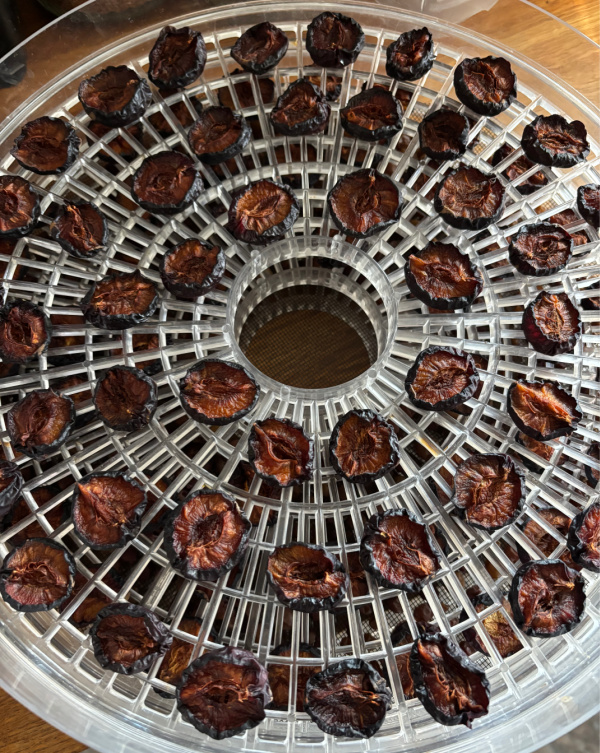
The time it takes to dehydrate depends, of course, on what it is and the machine or method you use. Follow the instructions on your machine. For my dehydrator, fruit should be dried at 55-60C (130-140F).
Apples 4-15 hours
Apricots 10-15 hours
Cherries 6-24 hours
Grapes 6-36 hours
Pears 8-24 hours
Plums 10-36 hours
The drying time varies significantly depending on the results you want. Do you prefer the fruit to be completely dry, or do you like it leathery and still somewhat juicy? Personally, I prefer the latter.
How to Store Dehydrated Fruit
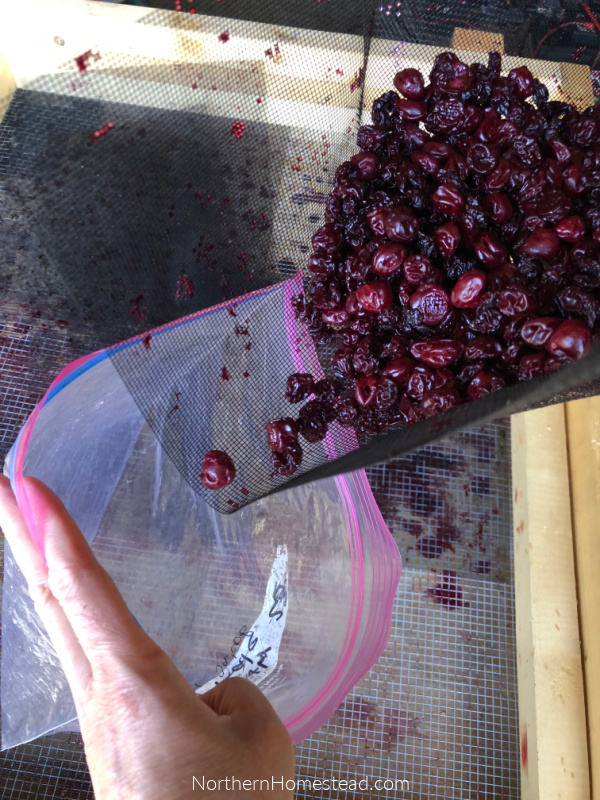
The way you store dehydrated fruit affects how long it stays fresh. I prefer to place my dehydrated fruit in freezer bags and store them in the freezer. This method helps keep the fruit fresh for an extended period.
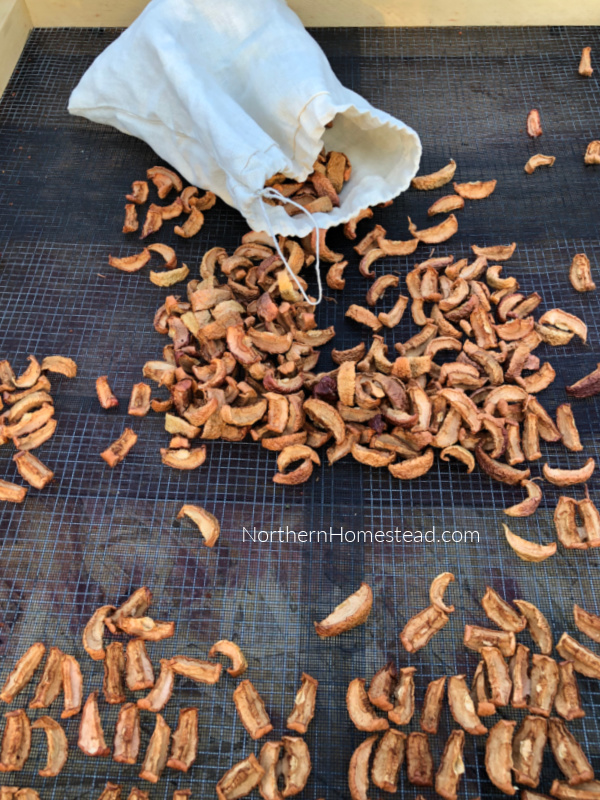
If you’re storing the fruit outside the freezer, it’s important to ensure it is completely dried. When I was growing up, sun-dried fruit was typically stored in cotton bags and hung in a cool pantry. This method kept the fruit dry and protected it from dust and insects.
Storing dehydrated fruit this way requires no electricity, making it an excellent option for off-grid living.
How to Use Dehydrated Fruit

Dried fruit is delicious on its own—just fill a bowl and snack away! It also makes a great fruit dessert. To prepare it, add the dried fruit to a pot with some water and a sweetener, then boil for about 15 minutes. You can add a thickener at the end of the cooking time to create a sweet mousse.
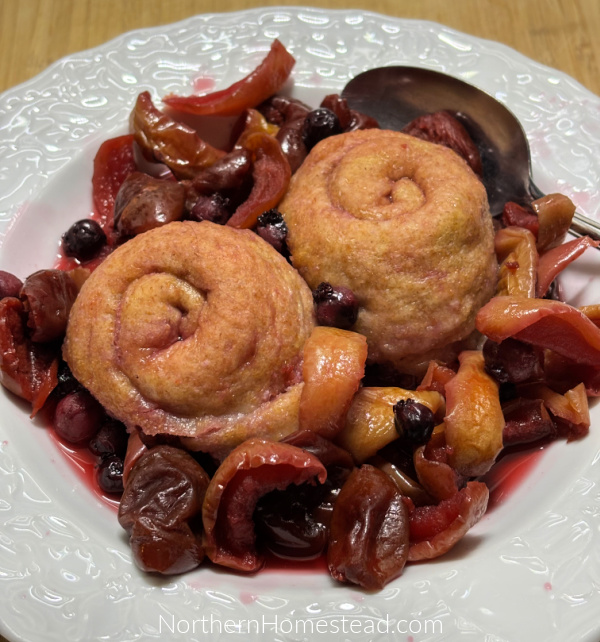
Dried fruit is also delicious paired with steamed buns (Dampfnudel). Simply boil the fruit in some sugar water and serve it on top of the buns. Or follow the recipe’s instructions to bake the buns on a bed of fruit.
What is your favorite way to use dried fruit? Please share in the comments below!
We invite you to subscribe to Northern Homestead and follow us on Instagram, Facebook, or Pinterest for the latest updates.
More food preserving articles you might enjoy:



NEWSLETTER SIGNUP

Leave a Reply