
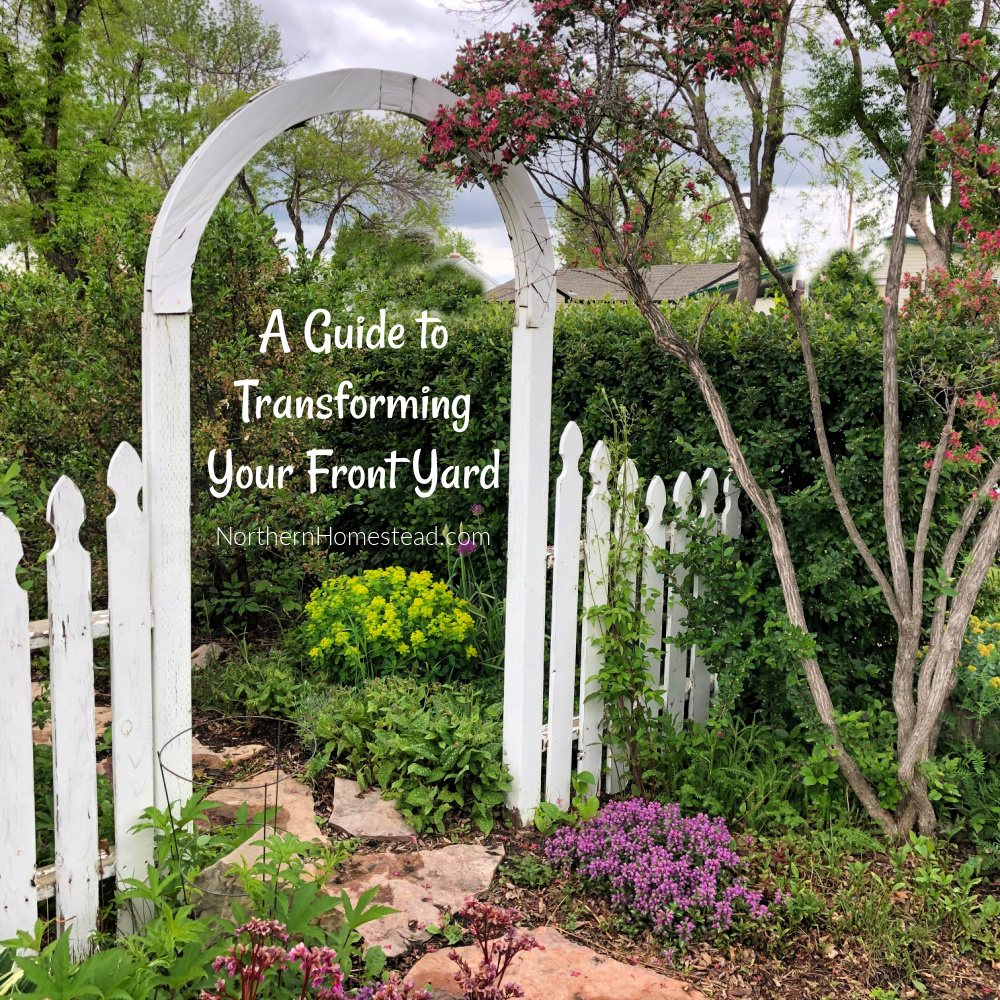
When we first moved into our house, the front yard featured a double-flowering plum and a handful of perennial flowers, surrounded by a patch of weedy lawn. I envisioned a space where I could grow food, specifically some dwarf cherries and cold-hardy berries, but I had no idea how to maintain a lawn-free front yard. Fast-forward over a decade, and I’m thrilled with how our front yard has evolved. With a lot more permacultural design knowledge now, if I had to do it all over again, here’s what I would do.
Step 1: Eliminate Weeds
Before transforming your landscape into a beautiful cottage-style garden, take the first step and tackle the weeds. There are several methods to do this. One effective option is covering the entire area with cardboard; that’s what we did. Alternatively, scraping off the lawn is another chemical-free approach, although it requires more effort.
Step 2: Mulch the Soil
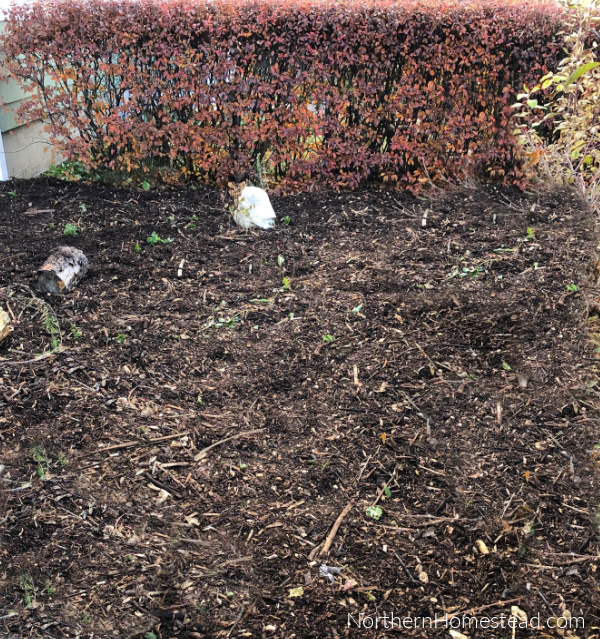
Apply about two inches of wood chips. This step is crucial—not only does it suppress weeds, but it also adds a layer that retains moisture. This is especially important if you live in a dry climate and want to establish a low-maintenance perennial bed. I recommend waiting at least until the following spring to plant, allowing the mulch to settle and the weeds to die off.
Step 3: Gather Planting Material
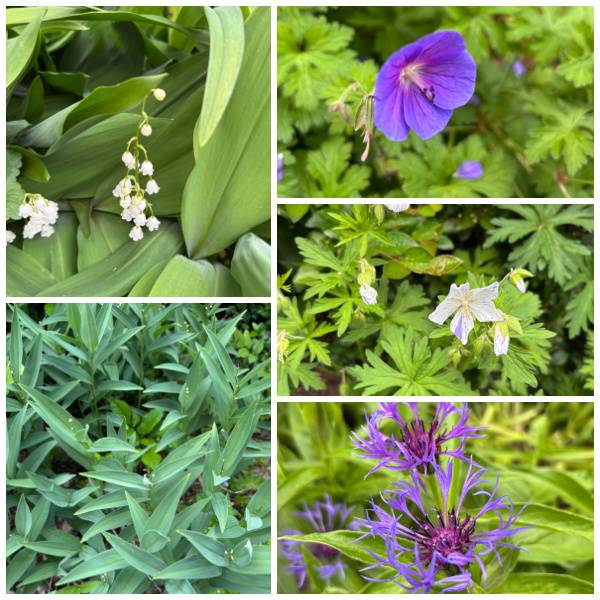
While the wood chips settle and the weeds die off, it’s time to gather your planting materials. For a low-maintenance garden, choose low-maintenance plants. Look for native species and plants that thrive in neighboring gardens—those that can be cut back but will return year after year. These resilient plants can often be covered with mulch and still flourish.
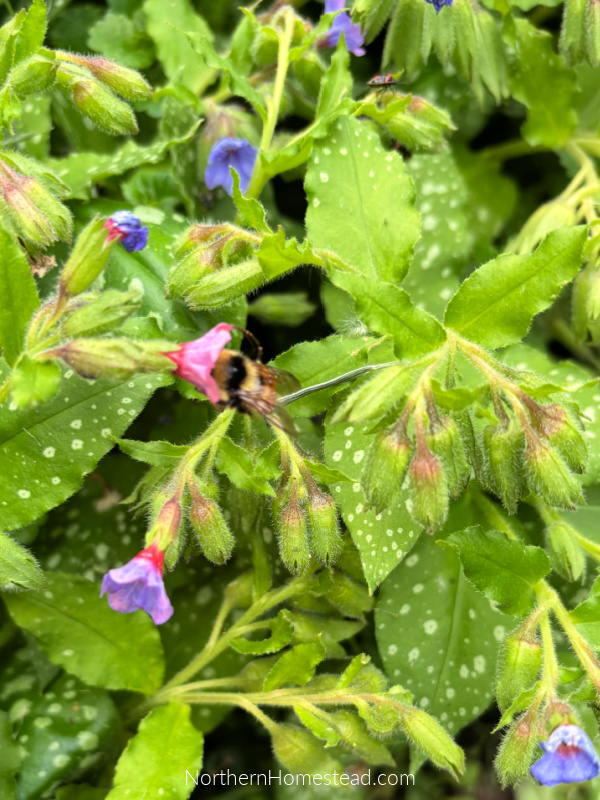
We are not just planting flowers for ourselves; those species are crucial to a healthy pollinator population.
- Have at least 3 species in peak bloom each month
- Select a variety of flower colors and shapes
- Increase structural diversity with trees, shrubs, and grasses (interspersed among the flowers)
You might be able to source these plants for free from family, friends, and neighbors, as avid gardeners love to share. Make a request for what you’re looking for: plants that multiply easily, or even grow from cuttings that others might be glad to part with. Here is a list of cold-hardy perennial flowers that we grow; they are all beautiful, but not all are suitable for a low-maintenance area.
It’s useful to start a small area in your yard with these plants while waiting for the weeds to die. A variety of plants in different colors, sizes, and blooming times will ensure that your garden is vibrant throughout the seasons. Herbs, especially those from the mint family, are excellent choices and can add a fragrant touch to your garden.
Step 4: Plant Strategically
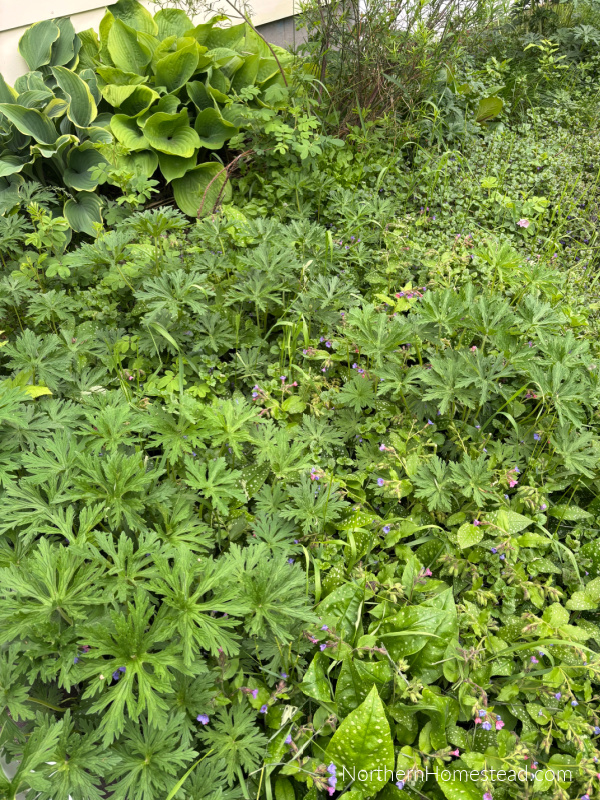
Since you’ve picked fast-multiplying plants, it’s not essential to cover the entire area all at once. Start by spacing the plants 2 to 3 feet apart. As they multiply, they will eventually fill the space. For small yards, place taller plants in the back and shorter ones in the front. In larger areas, you can center tall plants and arrange smaller ones around them for visual attraction.
Step 5: Add Eye-Catching Features
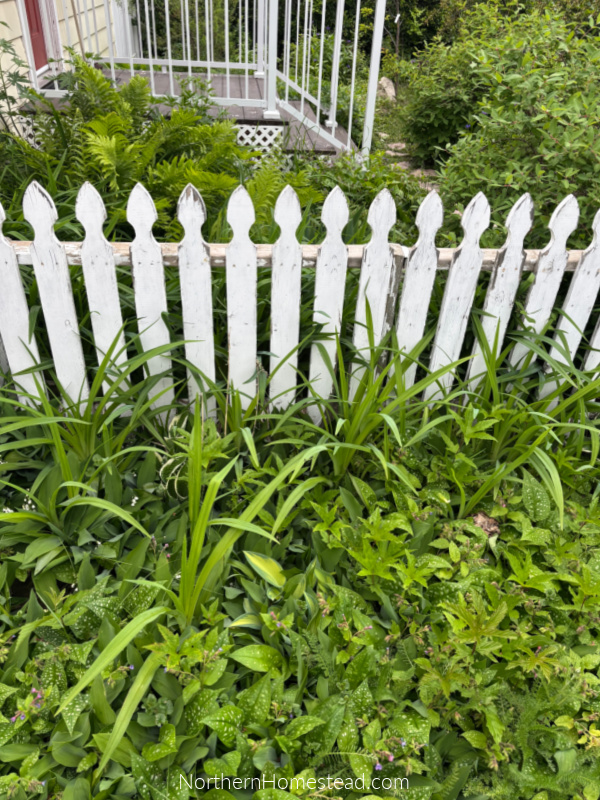
Consider adding focal points—something to draw the eye. This could be a striking flowering bush, a winding pathway, or decorative elements like a white fence or trellis. In a larger area, just pathways can make all the difference. And remember, whatever you add, keep it low maintenance.
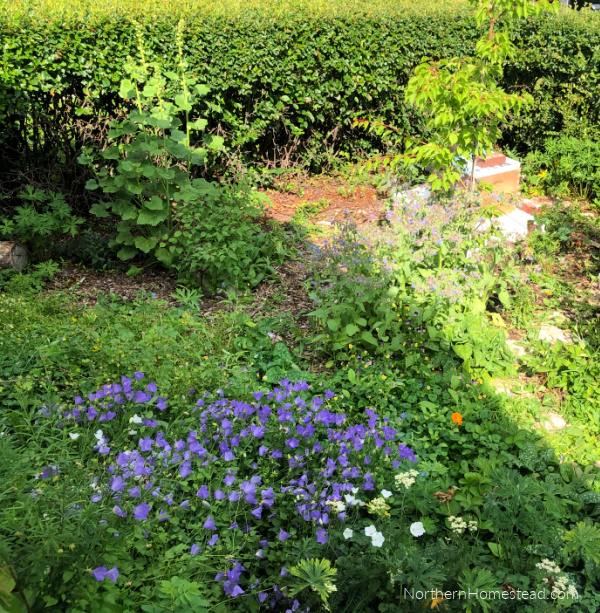
A beehive is another option for that flower landscape. In an urban garden, it might be wise to hide the hive a bit behind bushes, but on an acreage, the hive can become a focal point. Paint it bright and happy. Bees sure love the flowers that are growing in that area.
Step 6: Incorporate Walking Paths
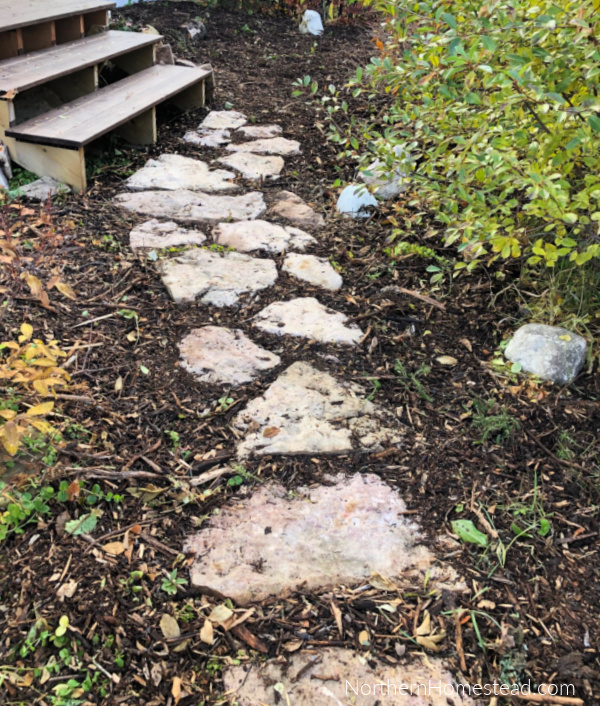
Walking paths can enhance both the functionality and aesthetic of your yard. We use stepping stones for our pathways, but they are not strictly necessary. If you do choose to add them, ensure they are flush with the ground to facilitate maintenance with a weed eater or lawn mower.
Step 7: Include Edible Trees and Shrubs
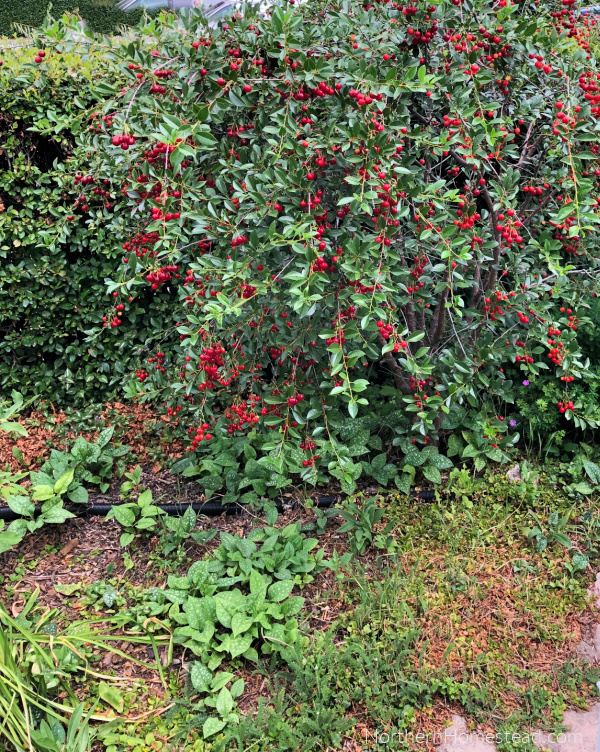
Edible plants can certainly have a place in a low-maintenance front yard. We’ve integrated berry and cherry shrubs alongside perennial flowers and ground cover. During the growing season, I allow everything to flourish until it’s time to harvest. I simply trim back the flowers around the trees and shrubs to make them easier to access.
Maintain Your Low-Maintenance Garden
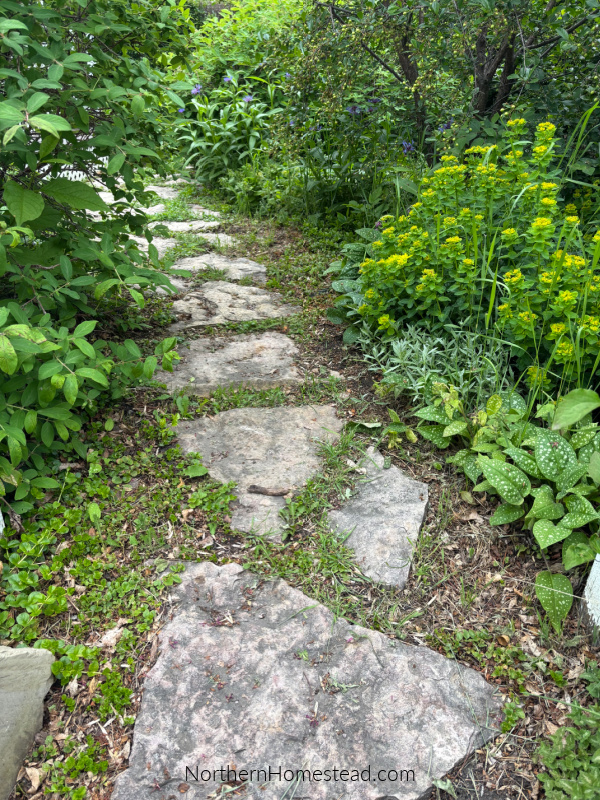
Even though we aim for a low-maintenance yard, some upkeep is still necessary. I personally do not spend much time maintaining my front yard, which is certainly less than what I would spend mowing a traditional lawn. To be honest, if I dedicated as much time to my front yard each week as it takes to mow, it would look even better. A good rule of thumb is that you should expect to spend about the same amount of time maintaining a low-maintenance perennial flower bed as you would mowing a lawn.
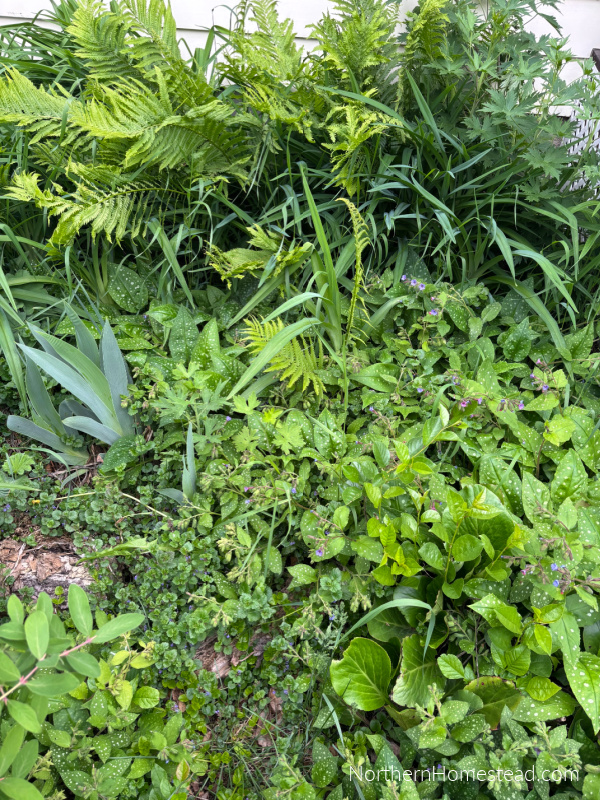
Once the area is filled with perennial flowers and ground covers, weeds have little chance to grow, though they can still appear between the plants. I usually pull out obvious weeds, like large Dandelions or unwanted grasses, by hand. Speaking of unwanted grass, it tends to struggle in mulched areas, making it relatively easy to remove since it doesn’t want to grow there.
Since many of the flowers I grow are vigorous and can also be considered weeds because of how freely they spread, I make it a habit to cut back the old flowers at the end of their blooming season with a cutting tool. This keeps the area fresh and prevents it from being taken over by the most robust plants.
Fall and Spring maintenance
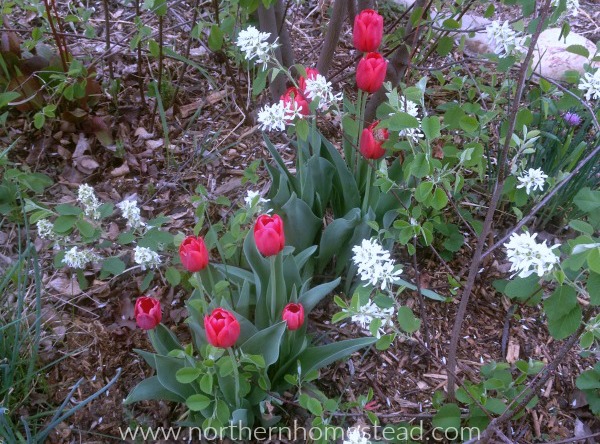
For healthy soil and insect populations, not cleaning in the fall or early spring is crucial. Decaying organic matter is not a problem; it is the solution to a low-maintenance garden. Except for cutting back or removing still-standing, tall, dry stems in late spring, I usually do absolutely nothing. The dead plant material is soon overgrown with fresh growth, contributing to a vibrant soil that retains moisture and feeds the plants.
A fresh start: Re-mulching the area
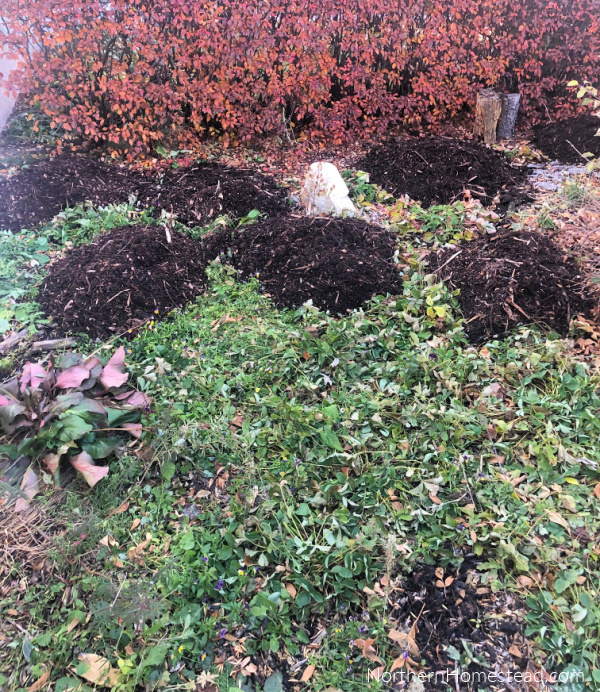
Every 5 to 6 years, or whenever you feel the area needs a fresh start, it’s a good idea to remulch. Since all the plants we chose are perennials that can be cut back, and we want to maintain rich, moisture-retaining soil, remulching makes sense. In late fall, cut back the larger plants to a few inches. Then, apply about two inches of mulch over the entire area. This won’t kill the perennial plants; instead, it allows only the strongest to thrive, giving the area a fresh start.
In Conclusion
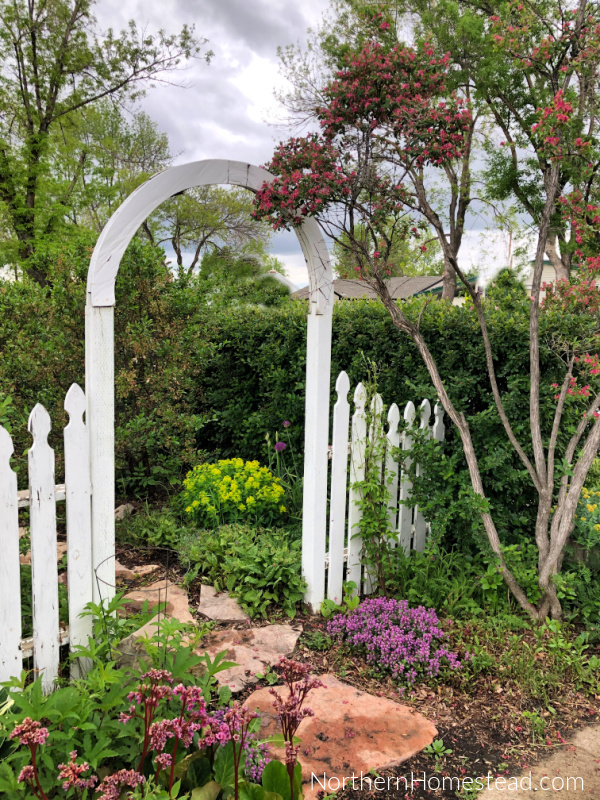
Over the years, this area has developed considerably, and I mostly let nature take its course, allowing the plants to grow wild and free. Each year looks a little different; one year might feature plenty of daylilies, while the next may see ferns taking over. I can direct it somewhat in the way I prefer, but for the most part, I let it grow as it wants. This might not be everyone’s cup of tea, but it works for me.
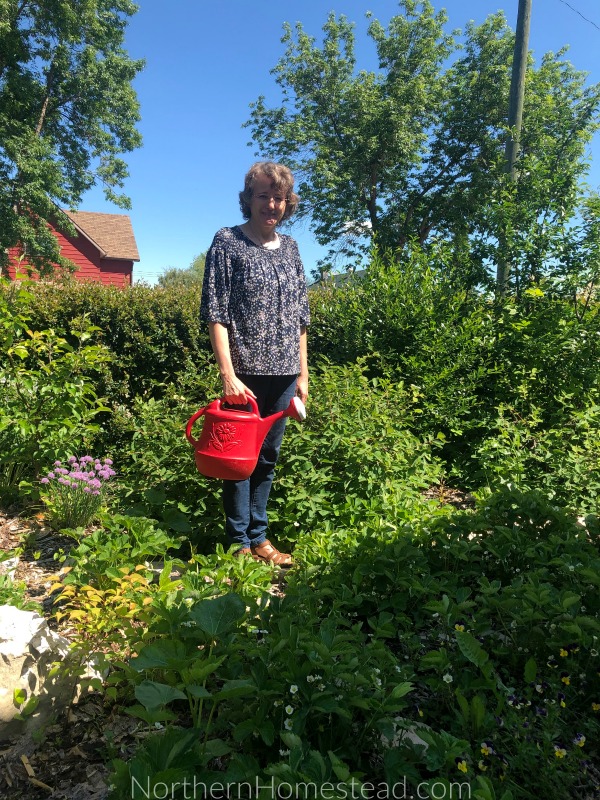
I receive many compliments on my beautiful front yard and am frequently asked how much work it requires. Honestly, it’s almost no work at all, and it always looks lovely. If you’re looking for a low-maintenance and beautiful yard, this is a worthwhile option. You might want to see more of how we turned a yard into a garden. And if your primary goal is to grow food, here is how to design a yard for food production.
Feel free to ask any questions if something isn’t clear. I’ll be happy to answer as best as I can!
We invite you to subscribe to Northern Homestead and follow us on Instagram, Facebook, or Pinterest for the latest updates.
More articles you might enjoy
NEWSLETTER SIGNUP

Leave a Reply