
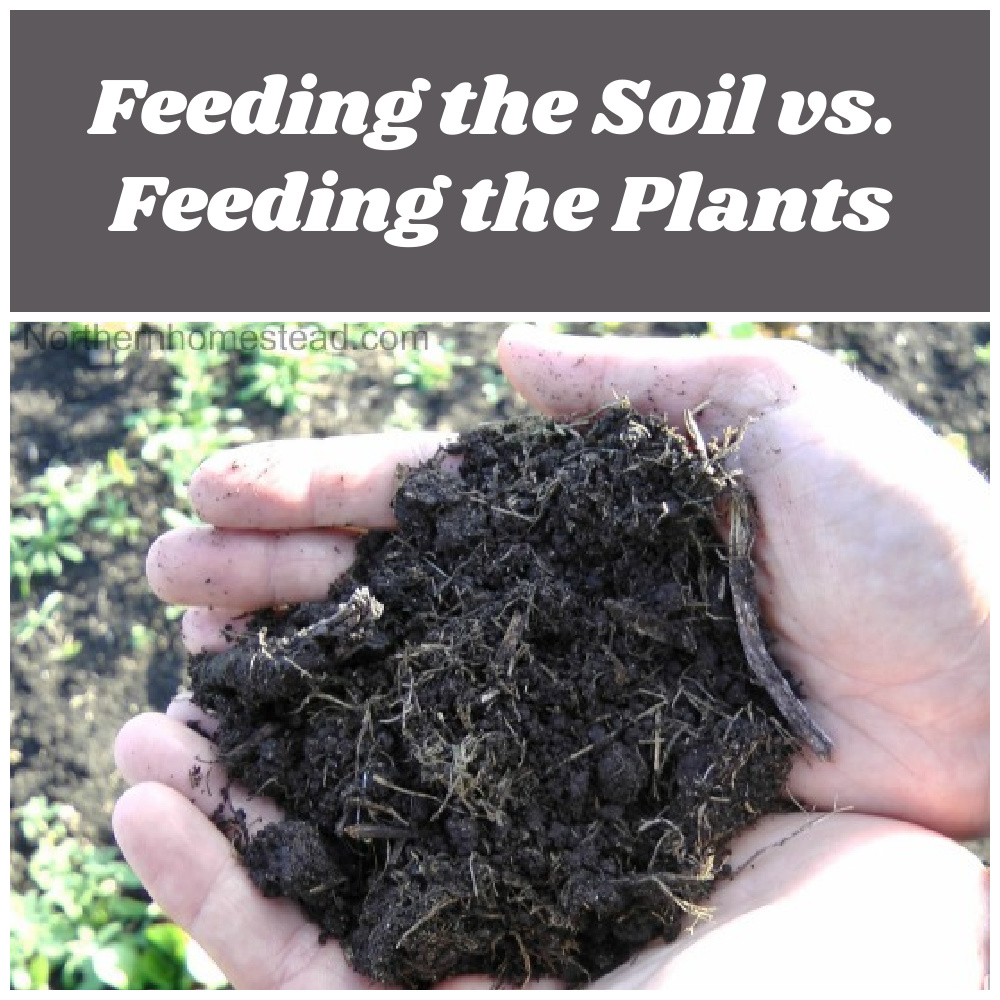
When it comes to gardening, it is essential to understand the difference between feeding the soil and feeding the plants. This important distinction can greatly affect the health of your garden and the quality of your produce. Organic and permaculture practices emphasize nourishing the soil, while commercial growers often focus on feeding the plants directly. Let’s explore the significance of caring for the soil and how it is fundamental to your gardening success.
Feeding the Soil: The Foundation of Healthy Gardening
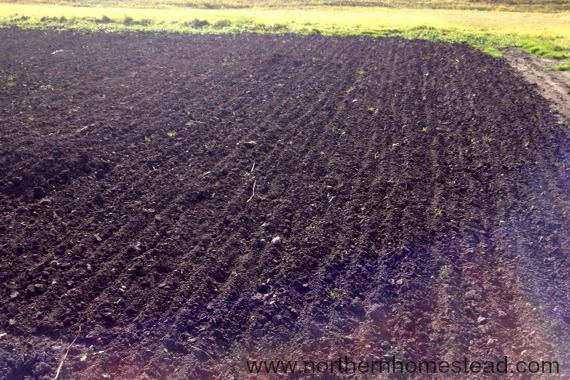
Soil is not just a medium for plants to root into; it is a thriving ecosystem full of organisms that contribute to plants’ health. Healthy soil means a healthy garden. If the soil is compromised, you cannot expect to grow vibrant plants without additional inputs. Feeding plants directly can provide immediate results, but ultimately, it’s the soil that sustains them in the long run.
So how do we feed the soil? In nature, this process occurs without human intervention. With seasonal changes, leaves fall, decomposing naturally, and demonstrating that the soil needs to be covered and nourished annually. Animals contribute to soil richness through their droppings. In our gardens, we need to imitate these natural processes to maintain soil health.
Many gardeners adopt simple methods to enhance their soil. For instance, leaving fallen leaves on the garden bed after harvest can be beneficial if no diseases are present. However, the effectiveness of this practice largely depends on the climate. In temperate regions, organic matter decomposes rapidly, while in colder areas, it may take longer. In such cases, composting garden waste before adding it back into the soil becomes essential.
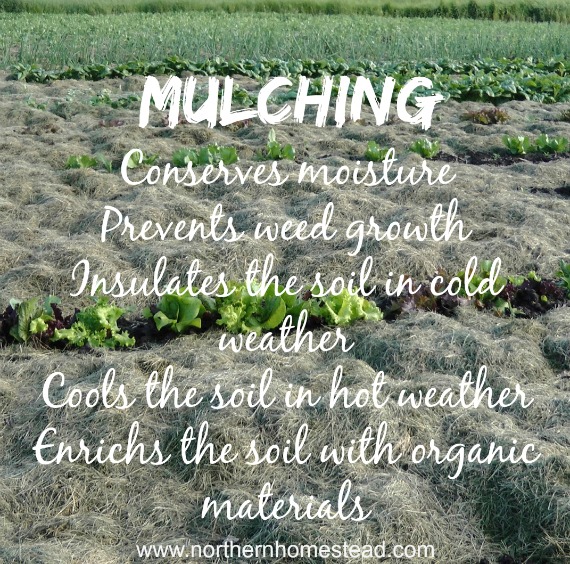
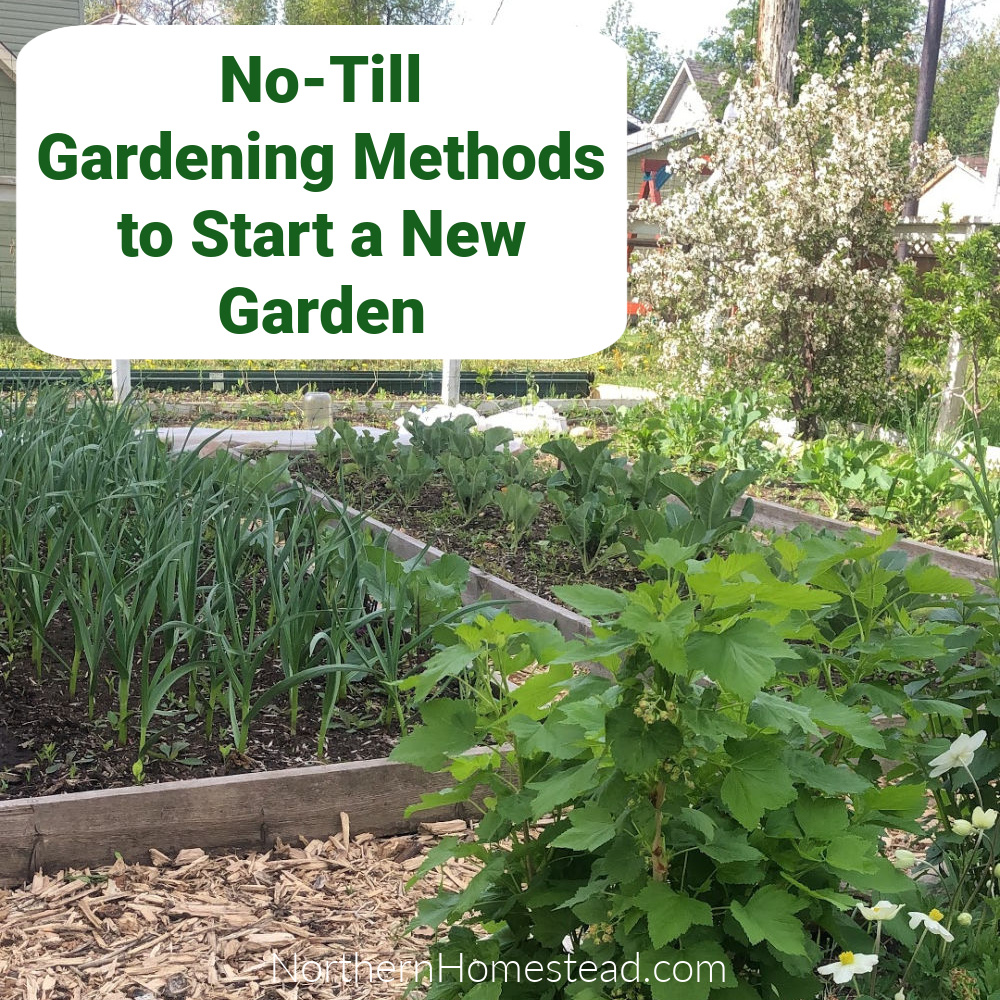
We talk more about mulching in our blog article, “Maintaining a No-Till Garden. Even though you can also apply organic matter before tilling it in, it appears that converting the garden to no-till is often the better option if you want to build soil rather than feed plants.
Building a great garden soil takes time and patience. By focusing on enriching the soil, you are investing in a sustainable future for your garden. While it may take a few years to see significant changes, the long-term benefits are worth the wait. Nature has perfected its processes over eons; trusting it often leads to the best results.
Ultimately, it is the soil life we are feeding: bacteria with some fresh mulch and fungi with wood chips. While there is a lot of research into how it works, we really do not know the depth of the whole ecosystem as it works together; we just know that it does.
Feeding the Plants: The Short-Term Shortcut
To replicate the soil functions found in nature, we often turn to fertilizers that provide essential nutrients for plant growth. However, many commercial fertilizers can negatively impact soil health over time. The decision to use fertilizers has significant long-term consequences for your garden. When you prioritize feeding plants over nurturing the soil, it can lead to a cycle of declining soil quality, resulting in a greater need for synthetic inputs in the future. Additionally, plant nutrition goes beyond just N-P-K (Nitrogen, Phosphorus, Potassium), as plants require a variety of nutrients to thrive.
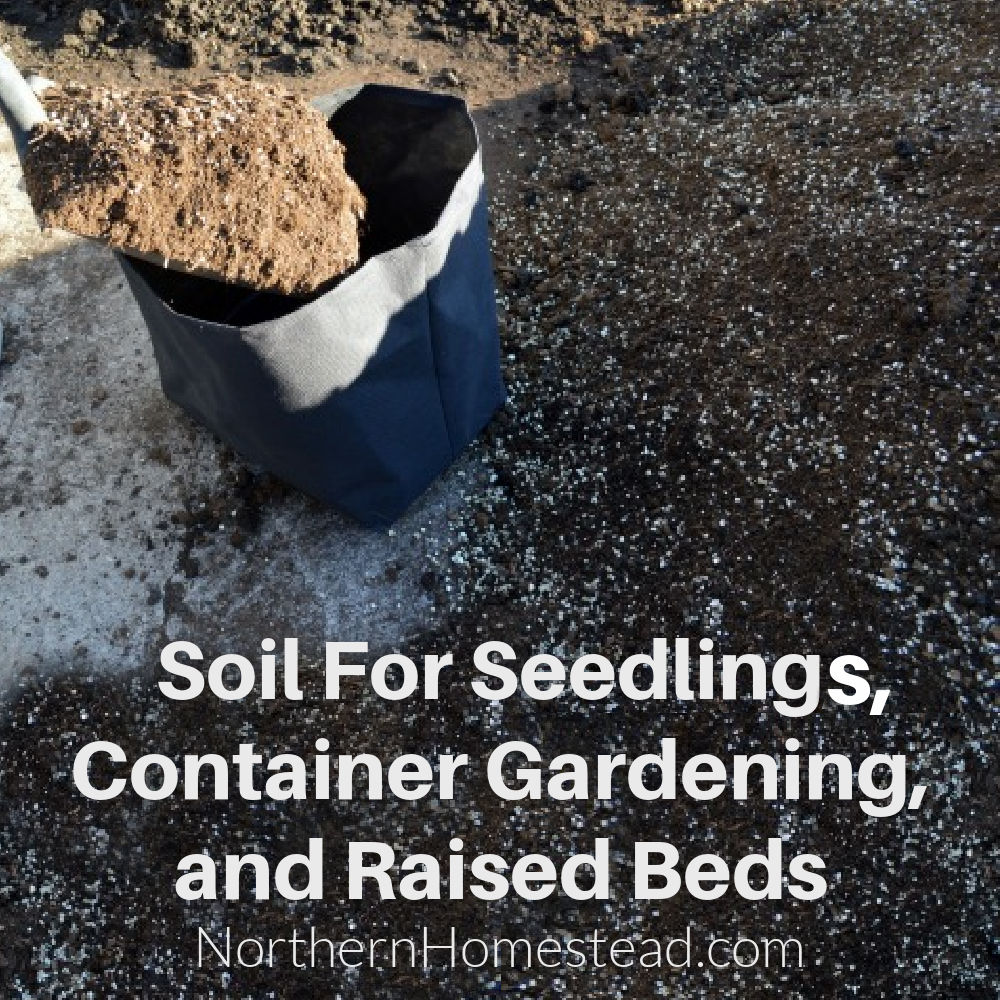
Whenever possible, it’s best to adopt natural methods for improving soil health. Adding compost can greatly enhance soil quality without relying on quick fixes. Even in container gardening, it’s important to understand the difference between containers and raised beds. If feasible, allow the soil access to the ground below to promote better health. In containers, you can mix a good soil and, as needed, feed the plants directly.
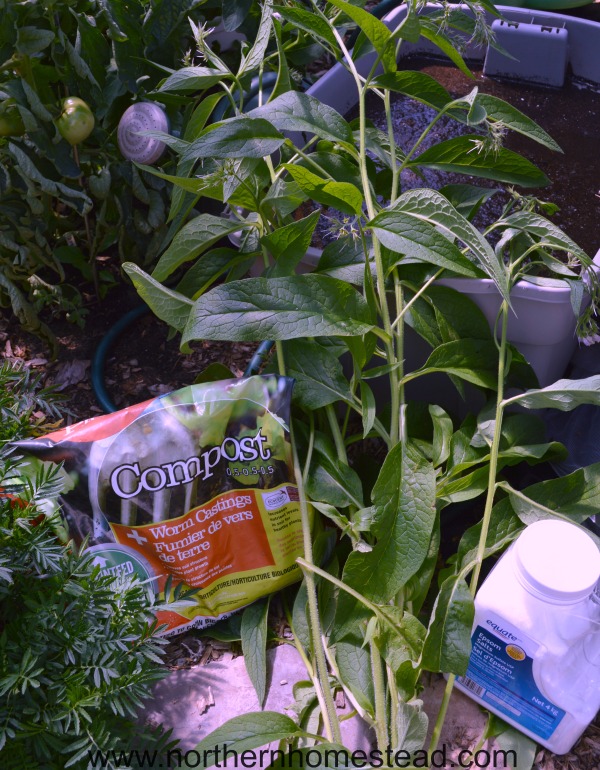
A more natural way to feed the plants is to make compost tea with compost and beneficial plants. Also using organic fertilisers and minerals. Always use a little at a time, think of snakes instead of a big meal.
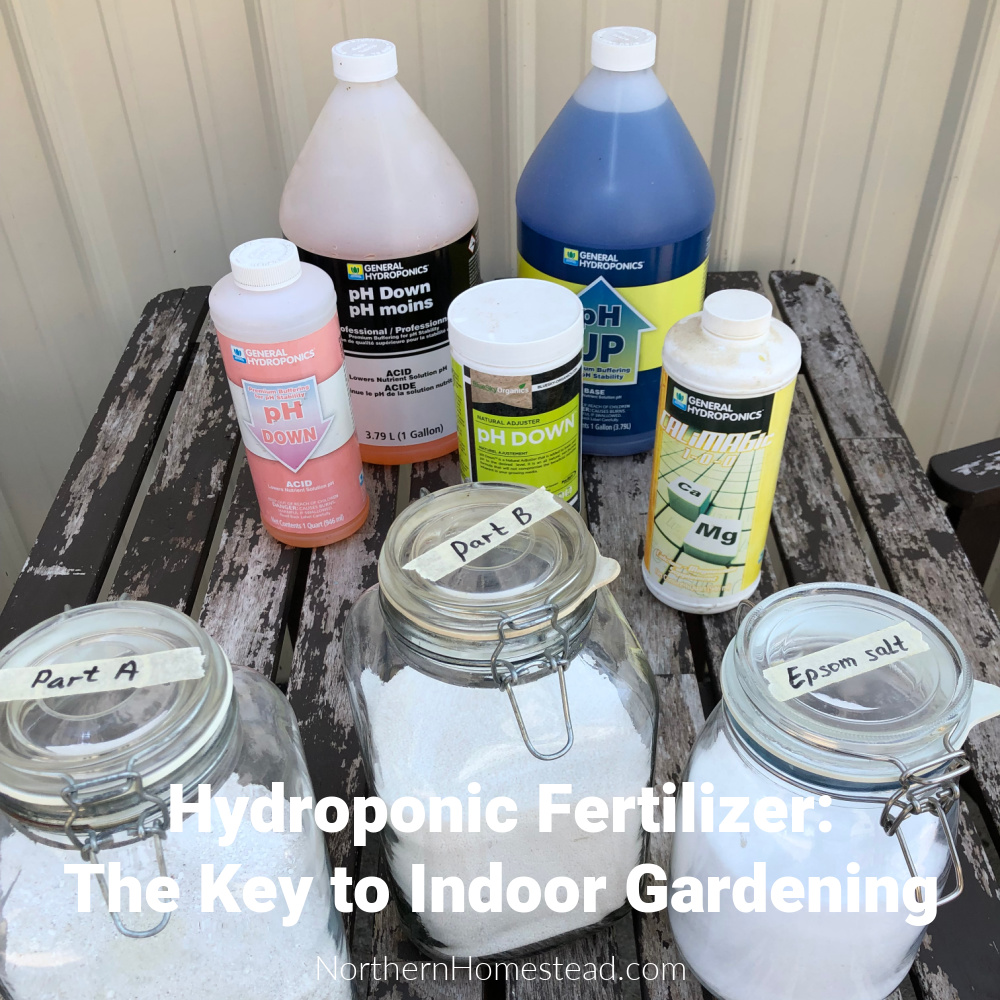
For those seeking faster results, hydroponics can be a practical alternative. This method utilizes fertilizers but does not harm the soil. With hydroponics, you can directly nourish the plants while preserving the integrity of your garden soil.
Our Approach at Northern Homestead
At Northern Homestead, we combine traditional methods with hydroponics. Our commitment to building soil health pairs well with hydroponics, which helps us maximize yields in small spaces. This approach allows us to achieve quick results while maintaining soil quality.
In gardening, there’s nothing wrong with wanting faster results, as long as they do not compromise long-term health. By focusing on methods that promote sustainable soil health, we create resilient gardens that thrive year after year.
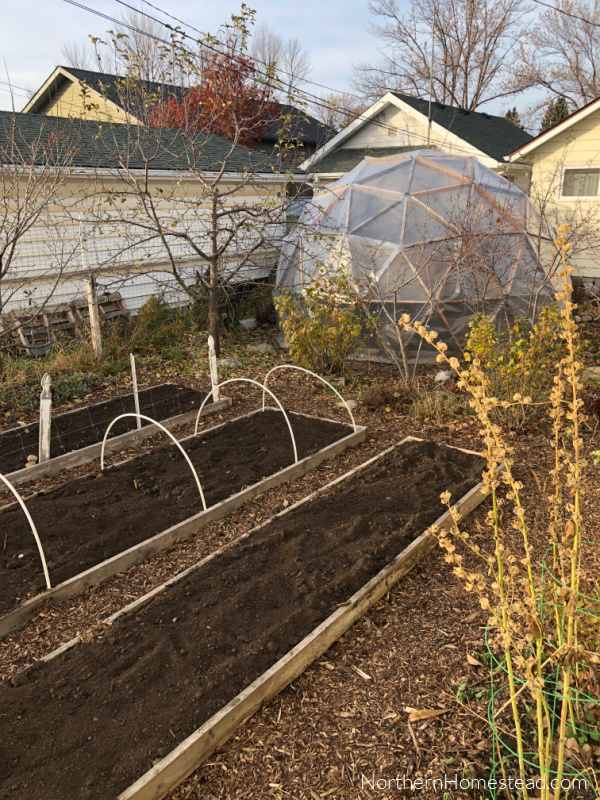
Good compost is the foundation of our soil-building efforts, while hydroponics serves as a useful alternative when we cannot grow plants in optimal soil conditions.
In conclusion, whether you choose to focus on enriching your soil, container gardening, hydroponics, or a combination of all, always remember: a thriving garden starts from the ground up. Nurturing the soil is the key to unlocking the full potential of your garden, ensuring that it remains productive for generations to come.
Don’t forget to subscribe to Northern Homestead and follow us on Instagram, Facebook, or Pinterest for the latest updates.
More posts you might enjoy
NEWSLETTER SIGNUP
Leave a Reply