
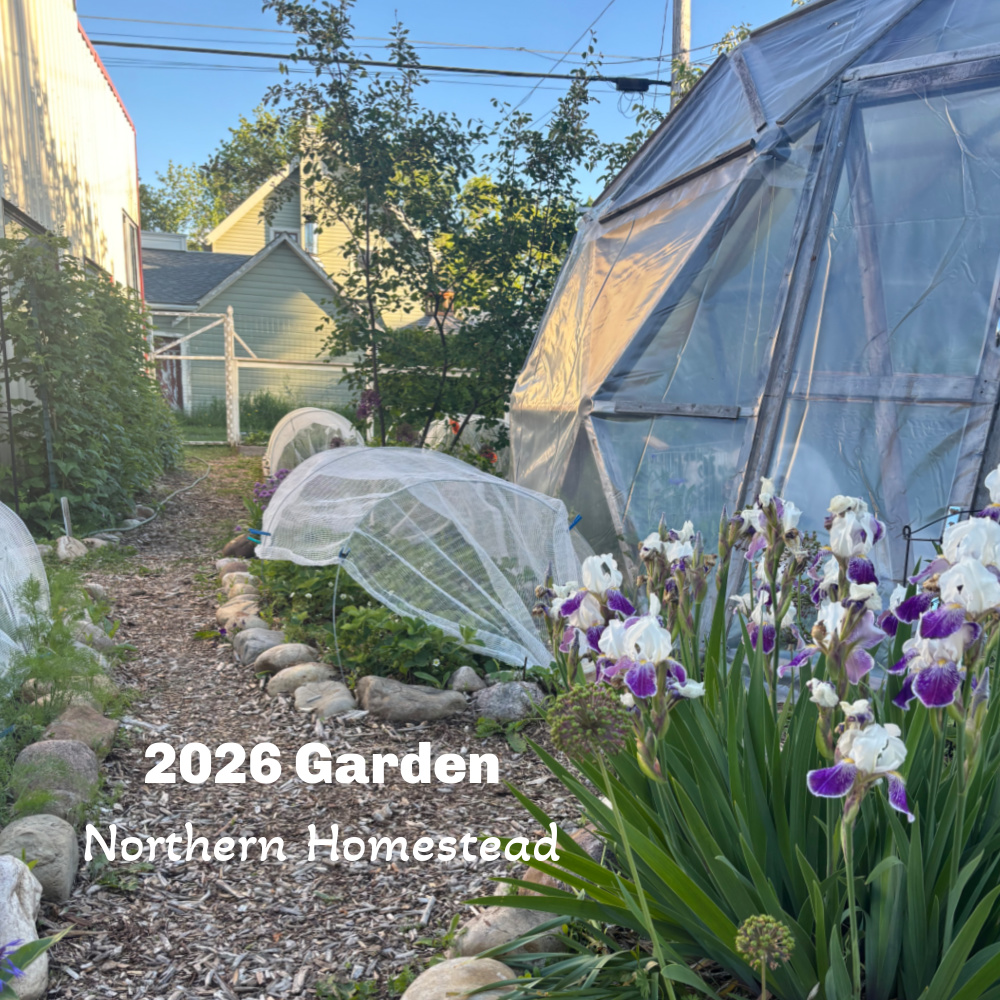
In many parts of the world, Thanksgiving is tied to the harvest. For those who grow food, this connection makes sense. As is tradition around Thanksgiving, this week’s blog post shares an end-of-season garden update for 2026. If you are new here, the garden is in Alberta, Canada, plant hardiness zone 3A, elevation 1,037 m (3,402 ft). I’ll discuss what went well, the new lessons I’ve learned, and what I am grateful for.
The Residential Garden
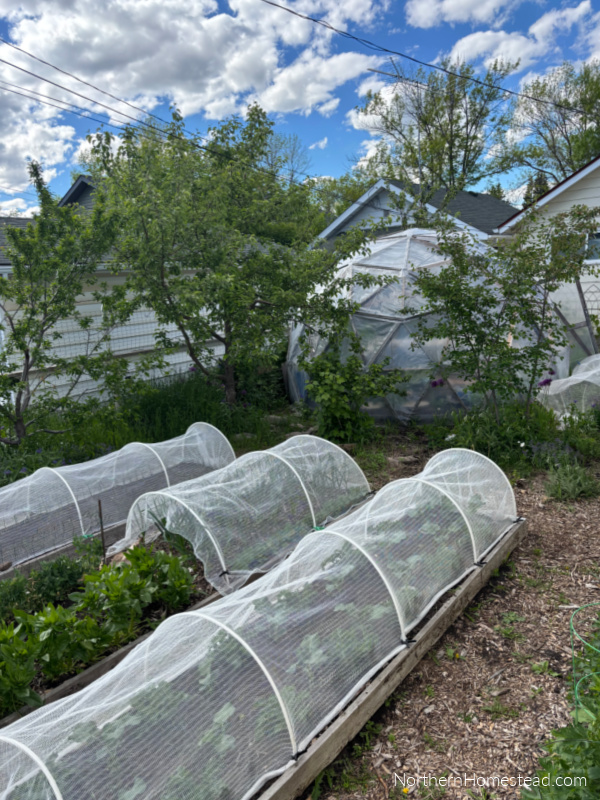
I have always been a big fan of small-town backyards and urban gardens. They offer so much potential for growing food. However, in recent decades, we often grew more than just a residential garden. This year, though, it was only my yard garden. With the cabin sale in the spring and no community or farm garden, my residential garden was all I had. I must say, I enjoyed it tremendously. It reminded me again how much food you can grow right at your doorstep.
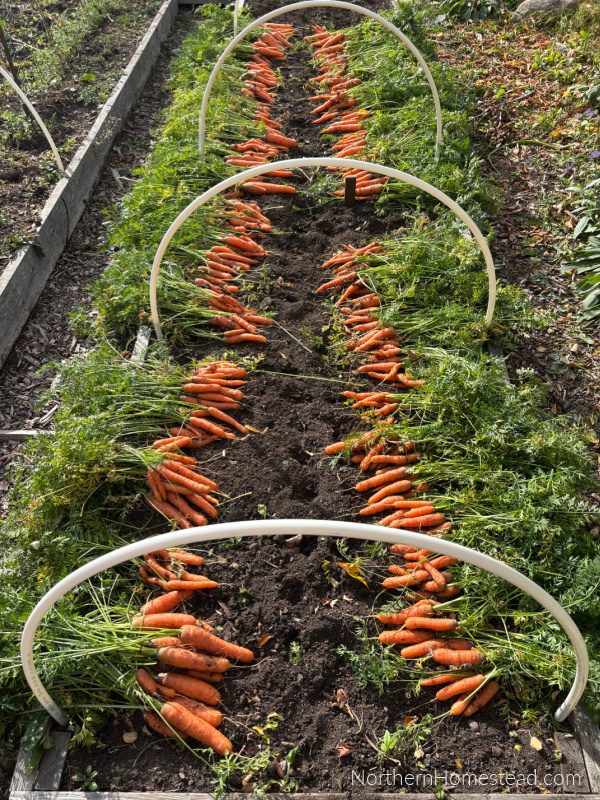
In fact, I still have work to do on what I grow and how much. Adding a greater variety of plants seems like a good way forward. Read more about designing a food-production yard here. My goal is to grow staples that I actually use in meals.
Planting Densely
Limited space makes dense planting necessary. I am very grateful for the square foot gardening method and have successfully implemented some of its principles. However, like any method, it must be adjusted to suit the climate and soil conditions.
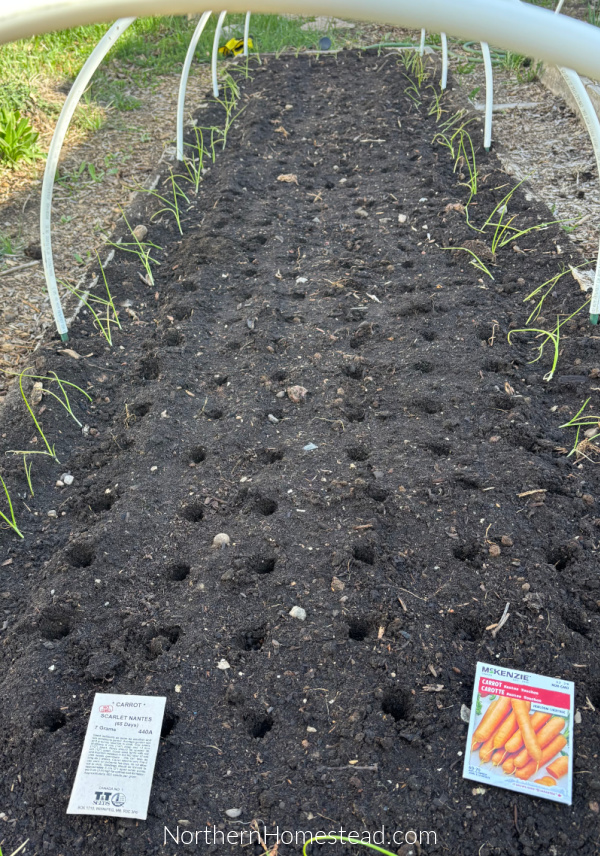
In our cold climate, I make the squares slightly larger than just a foot. Shade and cold do not work well together, so giving the plants a bit more space yields better results. Cold weather isn’t our only challenge; we also contend with a dry climate. So I planted the carrot seeds a bit deeper. I make holes about an inch deep with my finger, plant 2-4 seeds, and cover them loosely. You can read more about growing carrots here.
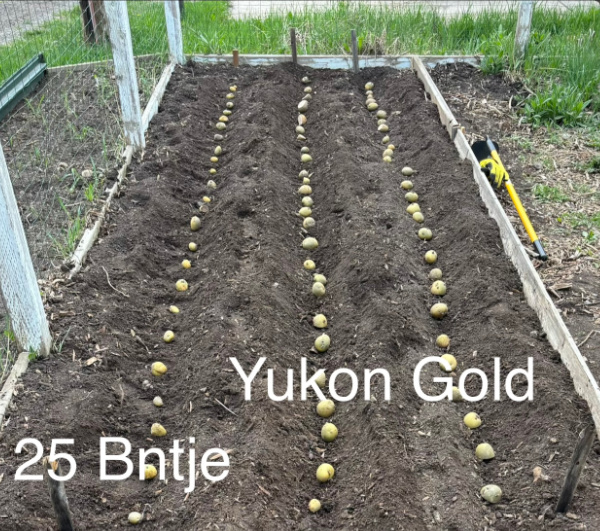
The dryness also restricts how densely we can plant. For example, I planted the potatoes in rows, leaving more space between rows and squeezing them closer together within each row. Unfortunately, they did not perform well. The middle row struggled most, while the back row, which contained a late potato variety, took longer to establish but eventually did better than the earlier variety. I have yet to harvest them.
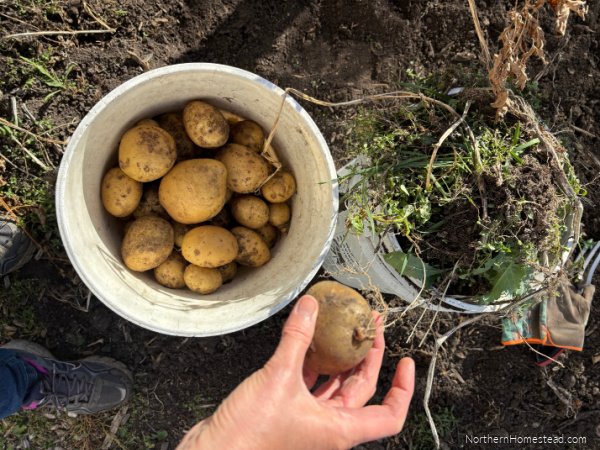
There were two reasons for the dense planting. First, I had so many seed potatoes saved from last year, mainly because I had harvested too many green potatoes, which make great seed potatoes. Second, I wanted to suppress weed growth, but unfortunately I “harvested” more weeds than potatoes. I even found one intact seed potato.
Dense planting also limits how much hilling you can do. This year, though, I had fewer green potatoes. I hilled them as much as I could and kept a close eye on them. If any potatoes started to show, I harvested them. You can pull potatoes from a plant without disturbing the whole plant. The ones closer to the surface are best for that.
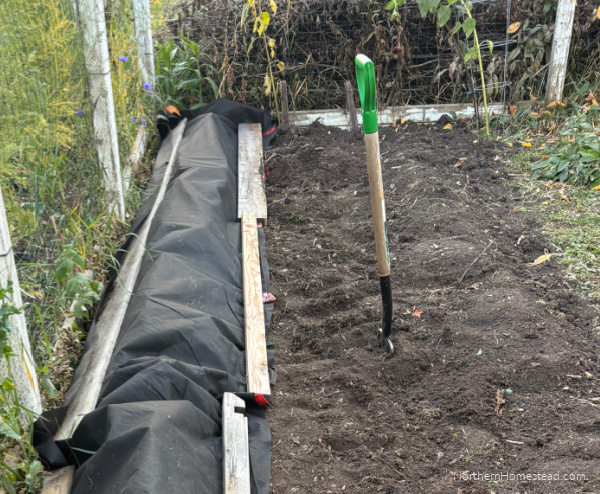
I covered the late variety with weed-control fabric once the vines died back; it protects better from early frost and lets the potatoes mature longer in the ground without the risk of light exposure and turning green. Next season I want to give the potatoes more space, mainly by just planting less.
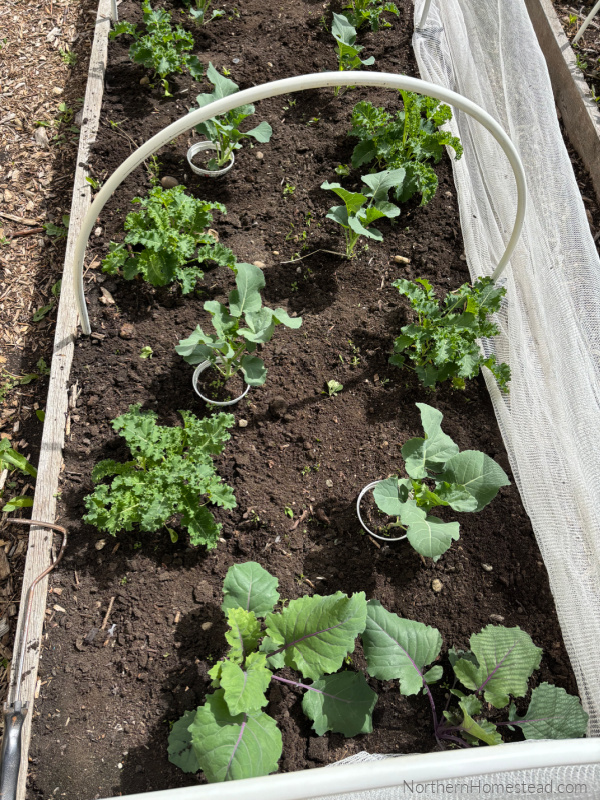
I have found that cabbage family plants work well together in one bed when mixed together: early-harvesting varieties like kohlrabi, and smaller plants like kale and wider late varieties. This happened accidentally last year, and I really liked the results, so now I do it intentionally to maximize my small space.
Success and Failure with Pruning
Pruning tools are my best friends in a small space. This year, however, I took a more aggressive approach. It all started last fall when I gave away some trees, realizing that we had overplanted our small garden. In spring, I continued by pruning trees and bushes back to make space for growth and maximize the harvest.
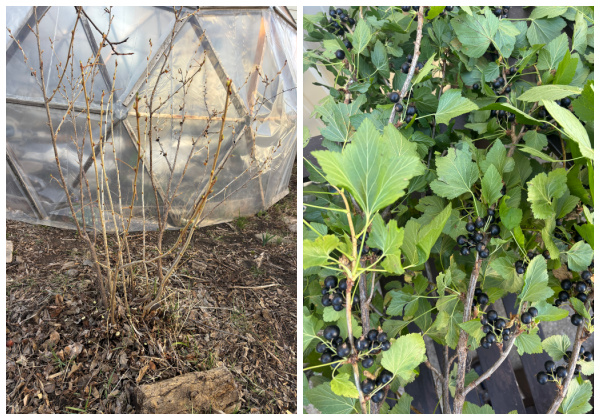
The pruning was very effective for the black currants. I plan to dig deeper into that over the winter and share more later. The pruned bush produced bigger fruit, which was a real win.
I had similar results with the raspberries. For the first time, I pruned back the tall canes. Overall, I think the harvest was smaller, but the berries were big and juicy, which I definitely liked. Read more about pruning raspberries here.
Unfortunately, the saskatoons didn’t respond as well to the aggressive pruning. Or the bush may still be grieving the plum tree that was growing too close and was dug out last fall. In my experience, plants react to each other, so be cautious when cutting down trees without thinking.
New Fruit to Celebrate
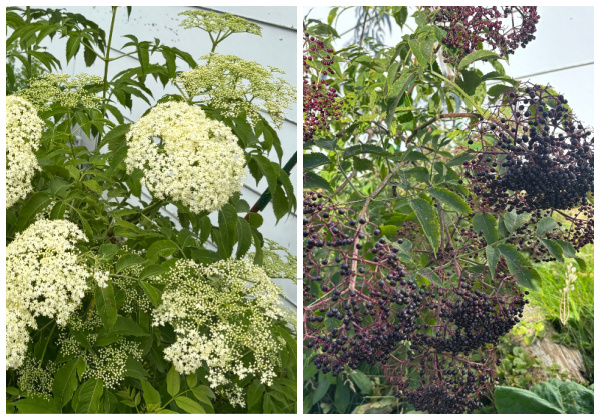
Since I’ve been in a downsizing mood for a while, it was a delightful surprise to celebrate two new harvests. Years ago, I planted elderberries next to the driveway. The spot wasn’t ideal, and one of the two plants in the bundle didn’t survive. The T&T bundle included one ranch and one wild variety to ensure proper pollination. So I had given up on the other plant, which was also growing slowly. I thought without pollination, there would be no fruit. Thankfully, I didn’t remove it because this year the bush surprised me with an abundance of flowers in mid-summer and dark fruit in late fall. I’m not sure which one survived, but it made some delicious juice.
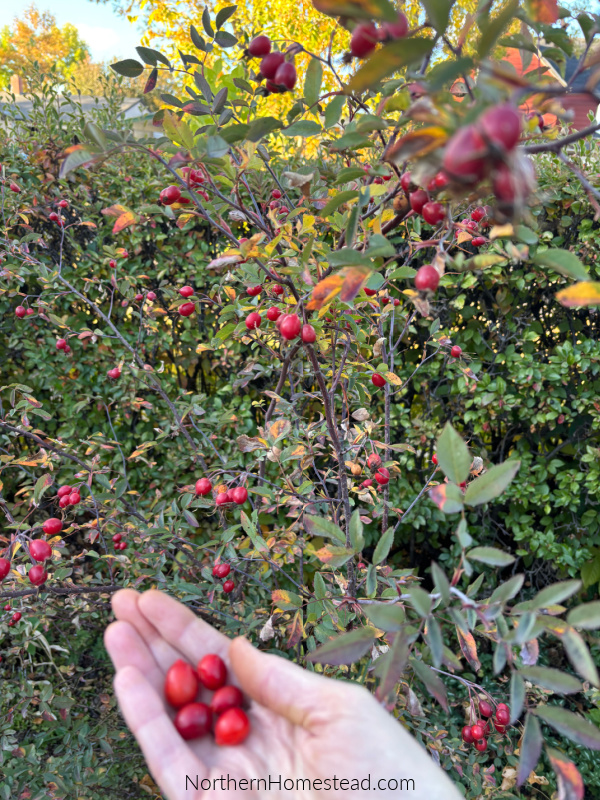
Another surprise was a volunteer rose bush that I discovered in my front yard. I decided to let it grow, and it surprisingly flourished, becoming loaded with hips this fall. It made me wonder whether I should replace it with a dedicated rosehip rose for bigger hips. Any suggestions would be appreciated!
Succession planting
Succession and companion planting are great ways to maximize a small growing space. In a short season, this can only be done very limited. Still, whenever I can, I try to push the limits. I plant spinach in late summer so it grows very early in spring. Read more about overwintering spinach in a cold climate here.
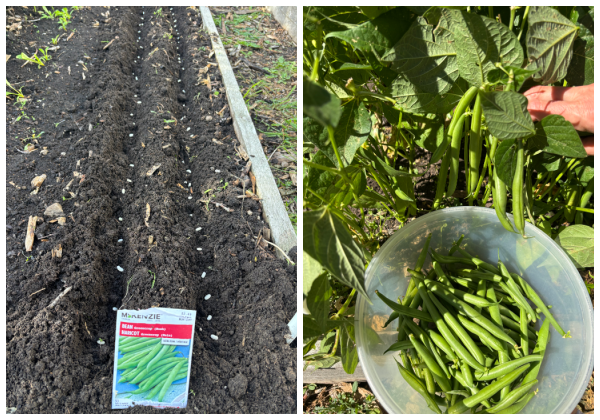
After I harvested the spinach in mid-June, I planted an early green bean variety. Unfortunately, we had some hail, and beans don’t fare well in it. Still, I got a good harvest from those beans. Peas, radishes, and lettuce are also great choices for a later or very early planting.
The Greenhouse garden
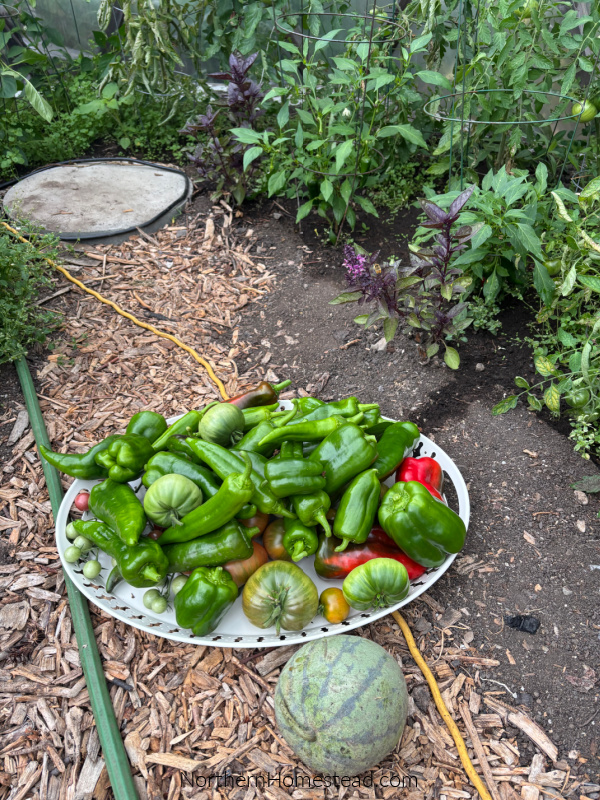
The greenhouse garden was a bit different this year. I took a break from hydroponics and planted all my peppers in soil instead. They produced well, but stayed mostly green. Peppers do better in the Tower Garden; you can read more here.
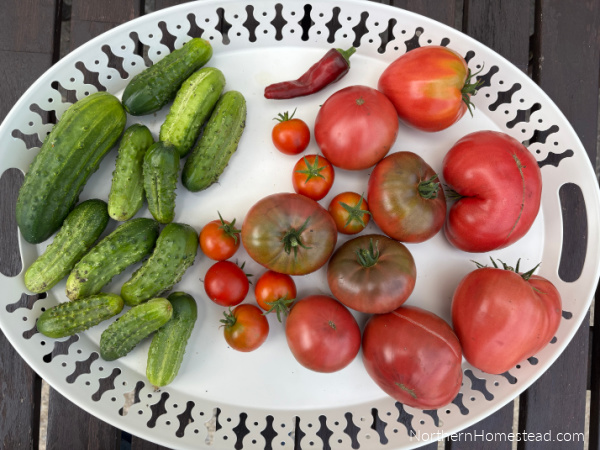
I also didn’t grow any of my favorite Bulls Heart tomatoes because I was out of seeds, but I still had many other varieties. The tomatoes were delicious, but I got significantly fewer. What variety we grow matters.
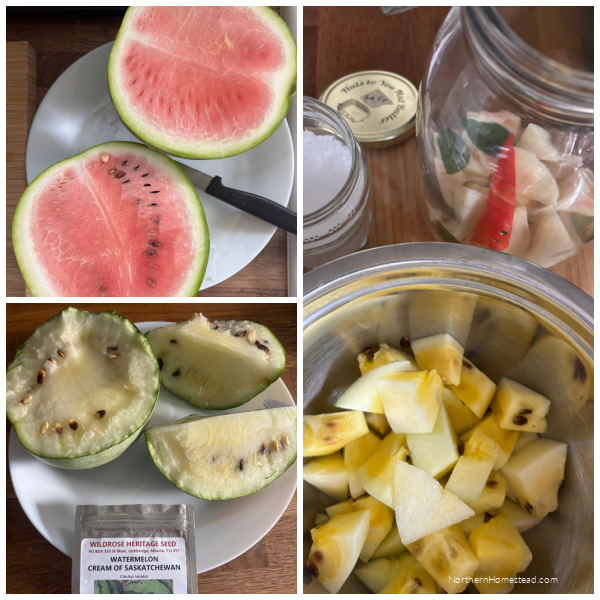
Instead of growing lots of tomatoes, I tried watermelons. I grew the Cream of Saskatchewan and Crimson Sweet varieties. With the El Niño, it was said to be an exceptionally hot summer, so I gave it a go. I did get some melons, but they weren’t very sweet. So I cut them up and fermented the watermelons. I even had to add a teaspoon of sugar to get the fermentation right. My conclusion is that growing watermelons in a cold climate is not worth it.
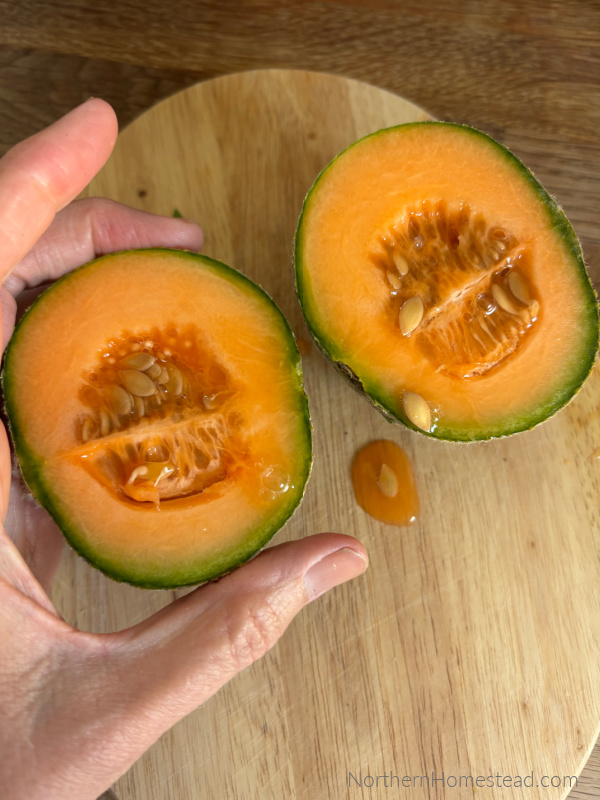
Among the watermelons, I had one Fast Break cantaloupe plant. All started from seeds in late April. I didn’t expect much, since I had tried cantaloupes before in a greenhouse. To my surprise, the one little fruit I got was quite yummy.
Grateful for a good growing season
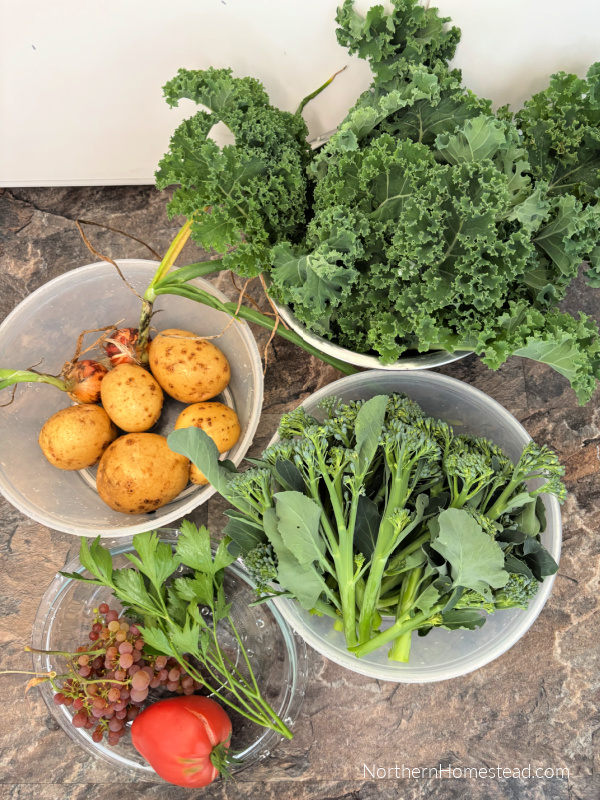
Looking back on this growing season, I feel really grateful for all the delicious food it provided. From fresh salads to satisfying meals and tasty snacks, the garden has brought so much joy and nourishment.
I preserved what I couldn’t eat right away for winter or shared it with friends, which is satisfying in itself. On a chilly day, nothing beats opening a jar of homemade salsa or a bag of frozen veggies to bring back those summer flavors. Discover the 5 ways to preserve vegetables, fruit, and herbs.
I’m already thinking ahead to next season, excited to tune the varieties and improve my gardening skills. Overall, gardening reminded me how rewarding it is to grow my own food and stay connected to nature. Here’s to another year of planting, growing, and enjoying the harvest!
How did your gardening season go? What stood out to you? Please share in the comments.
Don’t forget to subscribe to Northern Homestead and follow us on Instagram, Facebook, or Pinterest for the latest updates.
More Gardening Posts You Might Enjoy:
NEWSLETTER SIGNUP

Leave a Reply