
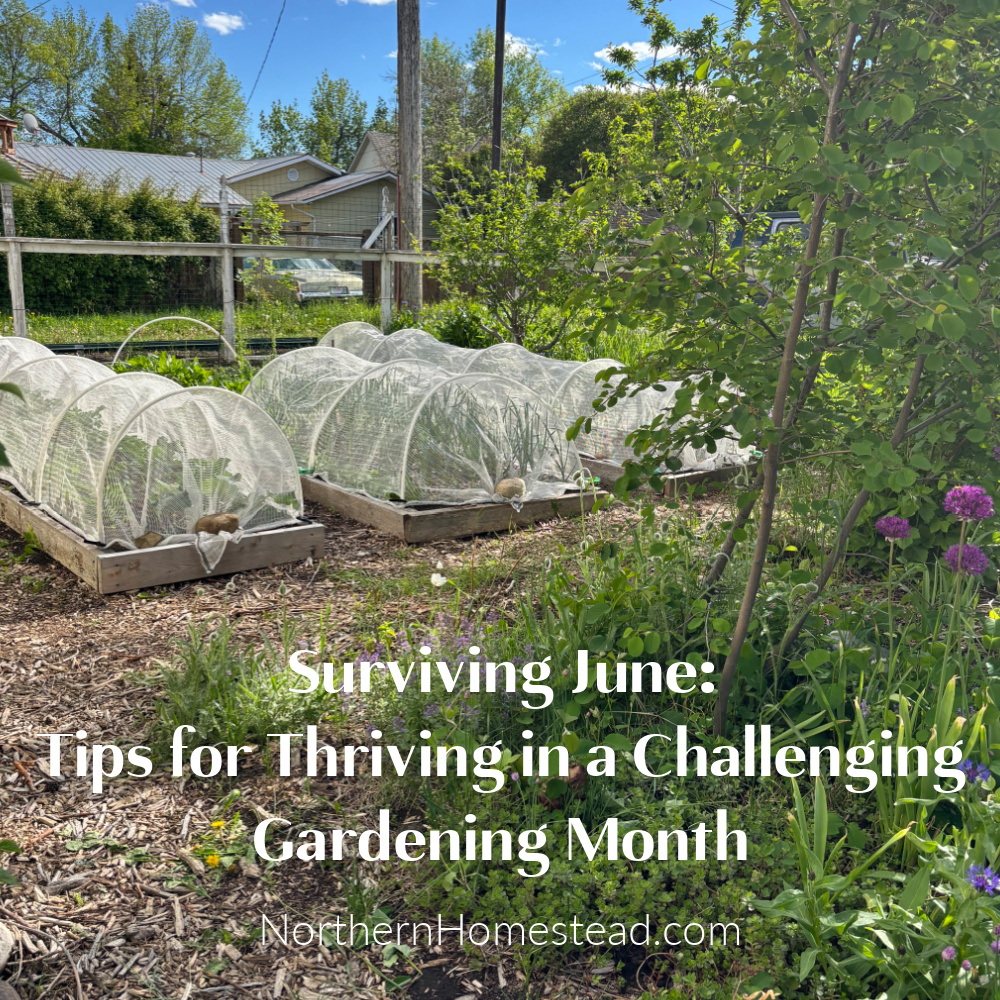
June can be a challenging month for gardeners. As a beginner gardener, I remember feeling frustrated because, even though it was summer, my garden seemed stagnant. It was cold and wet, and in some years we even saw snow in June. Seeds took forever to germinate, and some plants appeared to be doing nothing at all. After years of gardening experience, I know that they will eventually grow, but for beginners, it can be really tough. This blog post is meant to encourage you through those challenging days, along with some helpful tips to make it through better.
Adjust your planting schedule to the weather
In colder climates, spring can be very short. It’s not unusual to transition directly from snow to heat. The weather in May is often warm and dry, but since our last frost date is at the end of May, we must temper our gardening enthusiasm. And most years, no matter what May was like, June seems to be wet and cold. Planting too early can lead to losses, so we’ve developed a planting schedule tailored to our unique weather conditions.
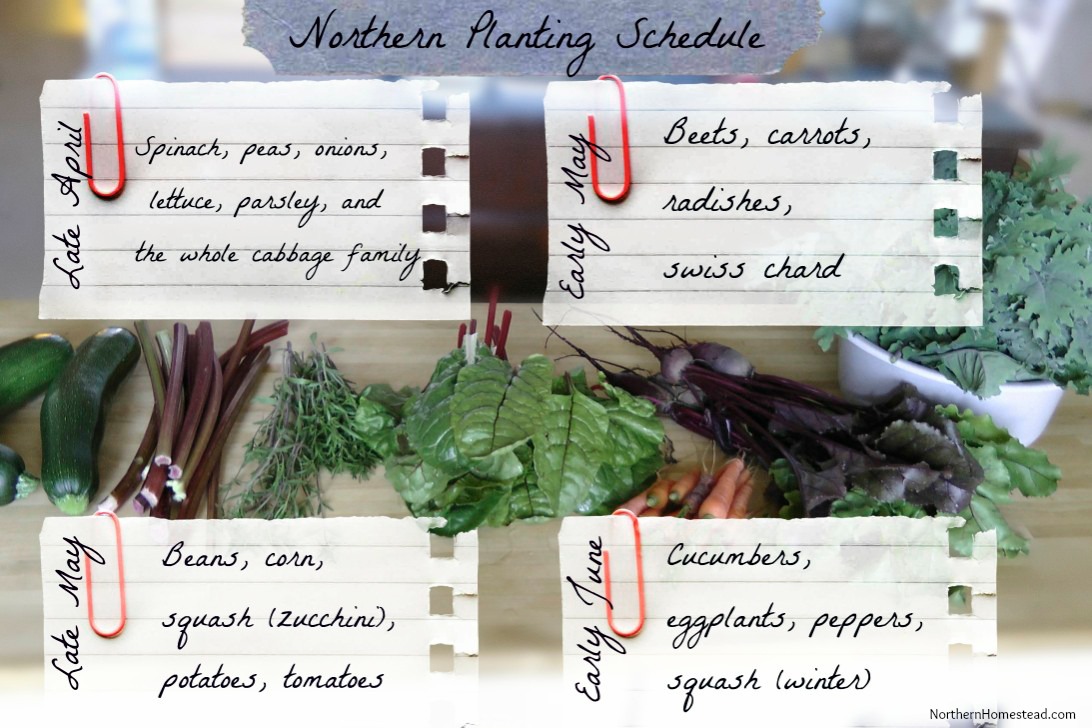
We plant cold-tolerant plants as early as possible and heat-loving plants as late as needed. This way, we can enjoy a whole month of planting and ensure that at least something is growing while we wait for the rest to catch up.
Although you don’t have to plant early, it really helps to get through June. You can actually see growth on those cold-tolerant plants, while not worrying about the tender cucumber seedlings not making it.
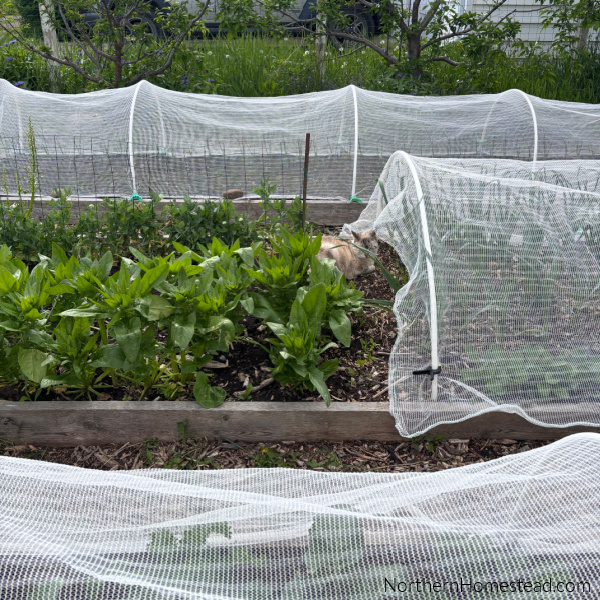
In the picture, you can also see overwintered spinach. It’s a great way to get early greens and to actually harvest something before other plants catch up.
How to Get Through June
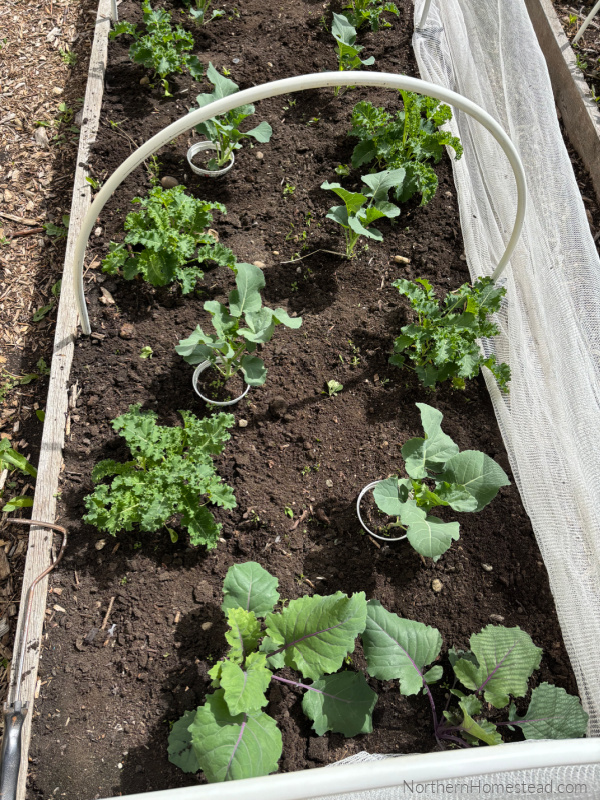
Once everything is planted, there’s usually little to do in the garden in June. Take this time to weed so the struggling seedlings have less competition. In years when there’s heavy rain, even weeds struggle to grow. During these times, it’s wise to spend time mulching or at least loosening the soil after heavy rains to help those little seedlings thrive.
After everything is planted, intentionally use the time for other projects. So you don’t become so impatient with the slower pace of growth.
Make garden protection a priority
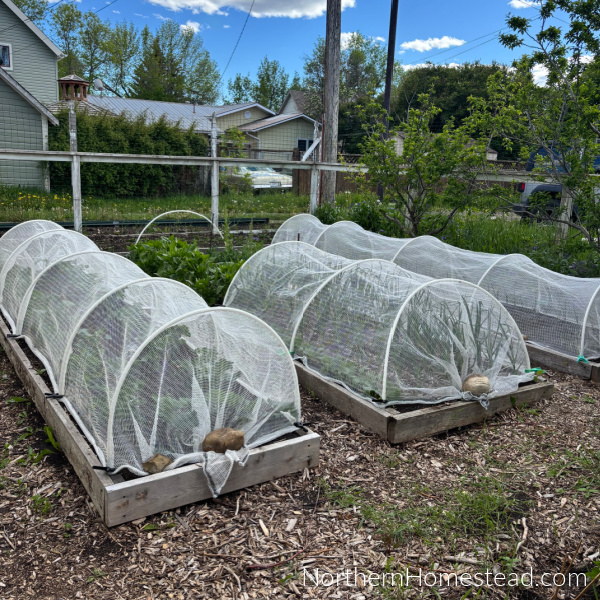
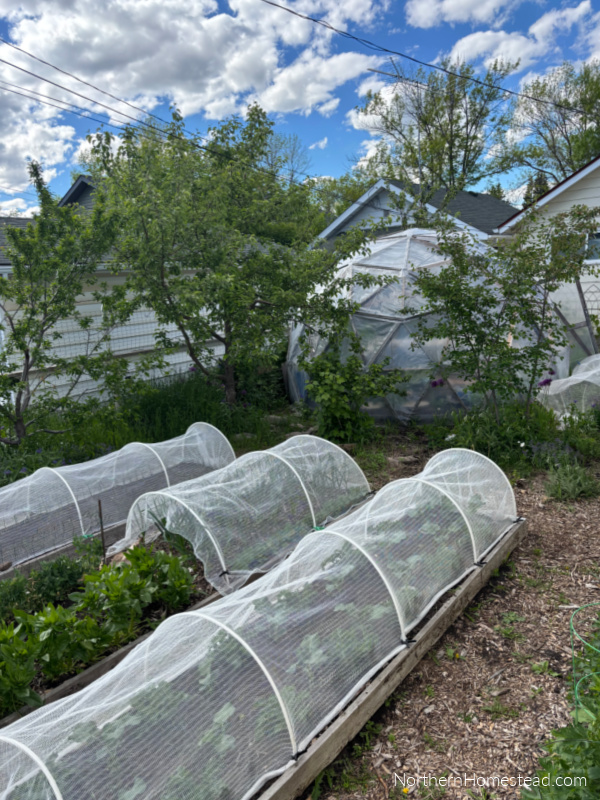
After learning more about our climate, we’ve emphasized plant protection. Most of our beds have hoops and some form of cover, significantly improving our June gardening experience. This simple practice of covering our beds has reduced plants’ exposure to heavy rain, wind, and cold, making the month less discouraging. Here is how to build row cover tunnels.
Designing the Garden for Your Needs
Another major help is a thoughtful garden design. Though our climate is generally dry, June can be particularly rainy, and freshly worked soil can wash away quickly. Therefore, designing a garden without pathways isn’t practical. We ensure we have pathways that can be walked on in all weather, mulching them with straw or wood chips to keep them dry even during heavy rain.
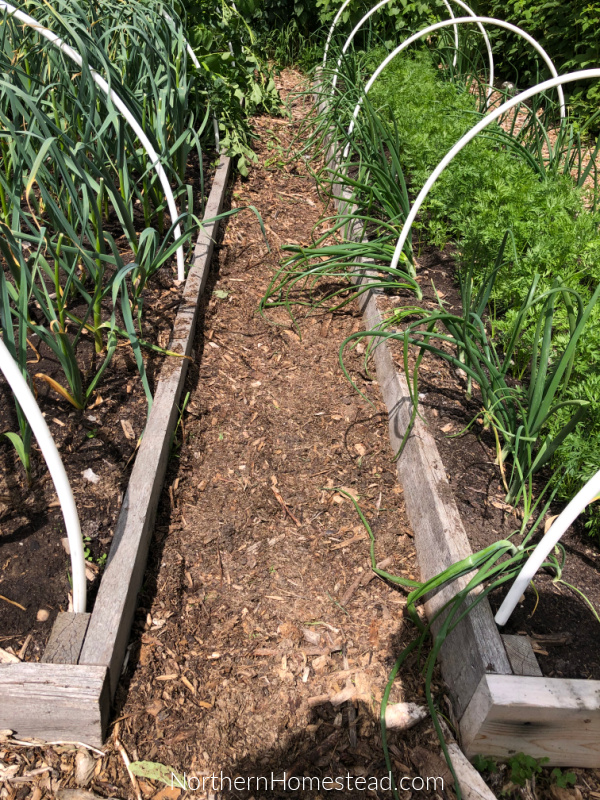
We prefer low raised beds that stay moist in summer yet are elevated enough to withstand June rain without getting washed away—it’s the best of both worlds.
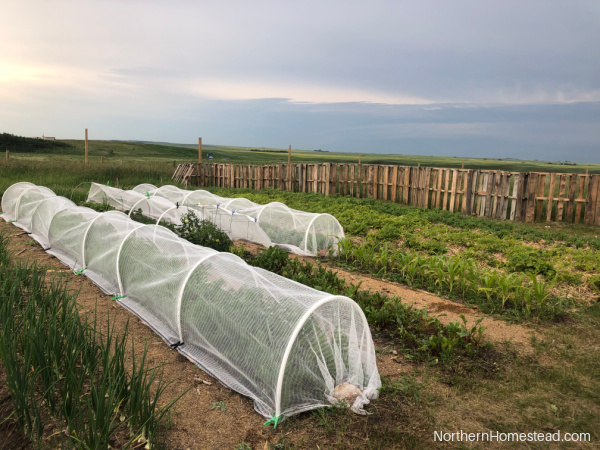
Garden beds with paths in between also work well, but make sure to build them against a slope rather than along one. This way, rainwater won’t flow down and wash the soil (and seeds) away. Although this design doesn’t allow for easy tilling, it provides access to the garden regardless of the weather.
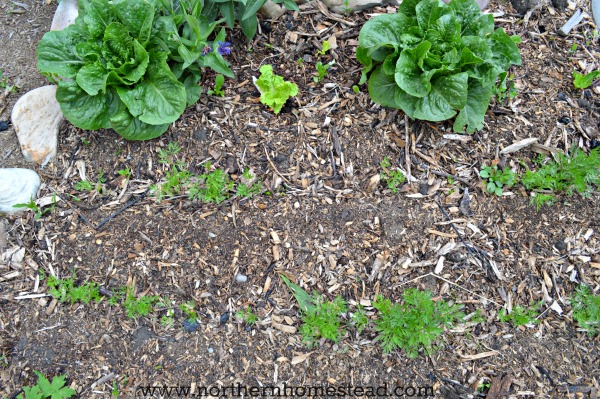
Mulching the entire garden is another option, where everything is covered with a layer of mulch. This method requires ample resources but offers a good solution if you prefer not to spend time building beds.
Be patient
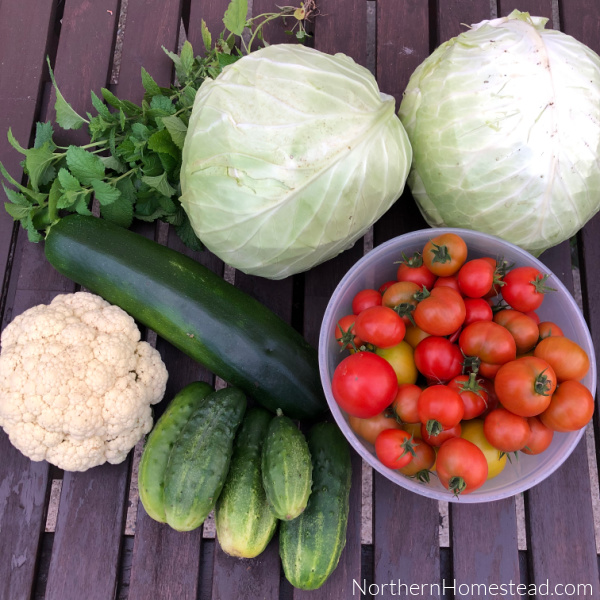
Patience is the most important requirement in June. Don’t give up! After June comes July, when the plants usually take off. In our experience, there will be a good harvest in August and September despite a slow start. So don’t get discouraged if it feels like your garden isn’t thriving—keep nurturing it, and it will grow!
Tell us what helps you to get through the cold and rainy June?
We invite you to subscribe to Northern Homestead and follow us on Instagram, Facebook, or Pinterest for the latest updates.
More posts you might enjoy

Leave a Reply