
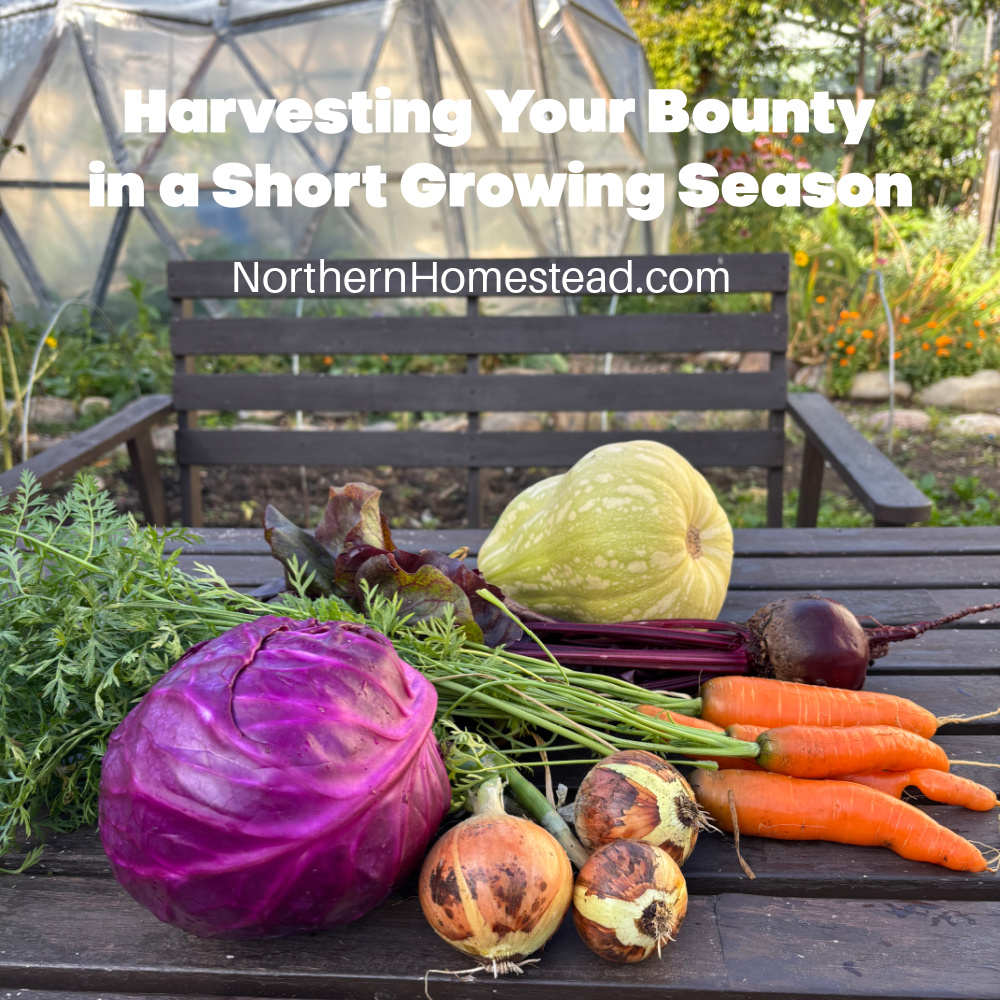
We spend a lot of time discussing how to plant a garden, often starting long before the growing season arrives. However, harvesting gets less attention, and I sometimes wonder why. Harvesting is just as important as planting when it comes to growing food. In this blog post, we’ll discuss how to harvest effectively from a vegetable garden throughout the season, especially as frost approaches. Maximizing Your Bounty in a Short Growing Season.
Our goal is to simplify harvesting and make it more manageable so we can maximize our garden’s bounty. As always, we will address this topic from the perspective of those in cold climates or regions with short growing seasons, where the end of the growing period can arrive quickly, and procrastination isn’t an option.
Different Types of Harvesting
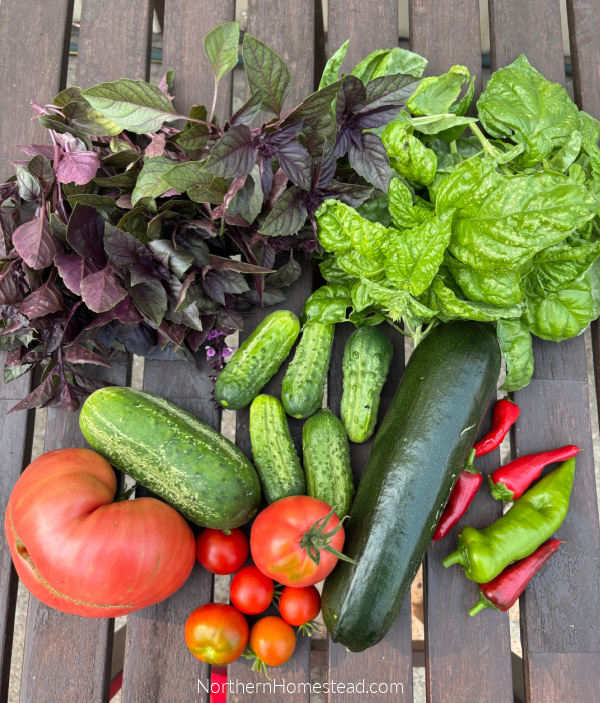
There are primarily two types of harvesting. The first and most common type is the ongoing harvest, where you pick what is ready to eat or use in a recipe. For example, you might find some ripe tomatoes and enjoy one immediately, pick some berries during a stroll through the garden, or gather fresh ingredients for a salad. This kind of harvesting is straightforward, enjoyable, and often all some gardeners do.
The second type of harvesting occurs at the end of a plant’s growing season or the season as a whole, and it typically focuses on preserving the harvest. This is the type of harvesting we will discuss in this blog post. Specifically, it focuses on what happens right after harvesting, or bringing in the harvest, to maximize the benefits.
Some gardeners prefer to harvest a large quantity at once, and when I see those impressive pictures of bountiful harvests, I often wonder what comes next. Remember, harvesting is only a small part of bringing in the harvest.
This type of harvesting can be challenging, and many gardeners may feel overwhelmed. After the excitement of growing and harvesting, they may not know how to use the bounty they have gathered. This post addresses those concerns and makes harvesting feel less daunting.
When to harvest what
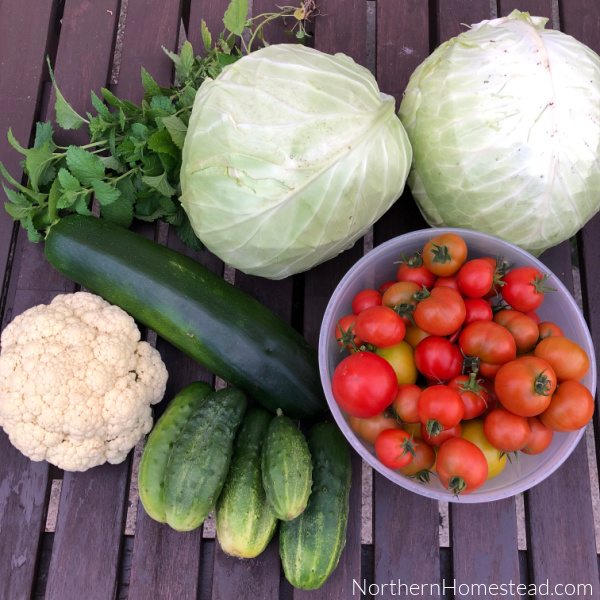
Some vegetable varieties require regular harvesting, even if you don’t plan to use them immediately. Examples include beans, peas, zucchini, and cucumbers. These ongoing-harvest vegetables don’t typically yield large quantities at once, but they can accumulate quickly. With a very short peak ripening window, they need to be harvested as soon as they are ready. Harvest them regularly, and store them in a fridge till you find ways to preserve them.
If you have more than you can eat, consider blanching and freezing beans and peas in portions. You can also ferment or pickle cucumbers regularly. There are many ways to preserve zucchini, so don’t wait until you have a dozen to start using them. With an ongoing harvest, it’s essential to develop consistent preserving practices.
Cruciferous vegetables like broccoli, cauliflower, and cabbage also have a short harvesting window. Watch them closely during the growing season. However, once harvested, they last a bit longer bagged in a fridge. Blanching and freezing is another option. Late cabbage, which we seldom grow in our short growing season, can be left till frost, since cabbage is somewhat frost tolerant.
As the growing season ends, you need to harvest all vegetable varieties, ready or not. While it may seem necessary to harvest everything at once because of the impending frost, it isn’t. In fact, harvesting everything at once isn’t recommended, as it requires significant effort to wash, cure, or preserve the vegetables afterward. Think of it like a massive Costco haul: you may bring everything home in one trip, but sorting and storing the items takes time and organization.
To make the process smoother, stage your harvest. As the weather cools, start with cold-sensitive plants. This means harvesting all mature tomatoes and peppers before temperatures drop, as tomatoes can ripen indoors and peppers are usable at any stage of ripeness. Both types don’t fare well in cold weather, so prioritize bringing them in first. Keep peppers in the fridge to preserve crunchiness, and tomatoes out of the fridge to preserve sweetness and continue ripening.
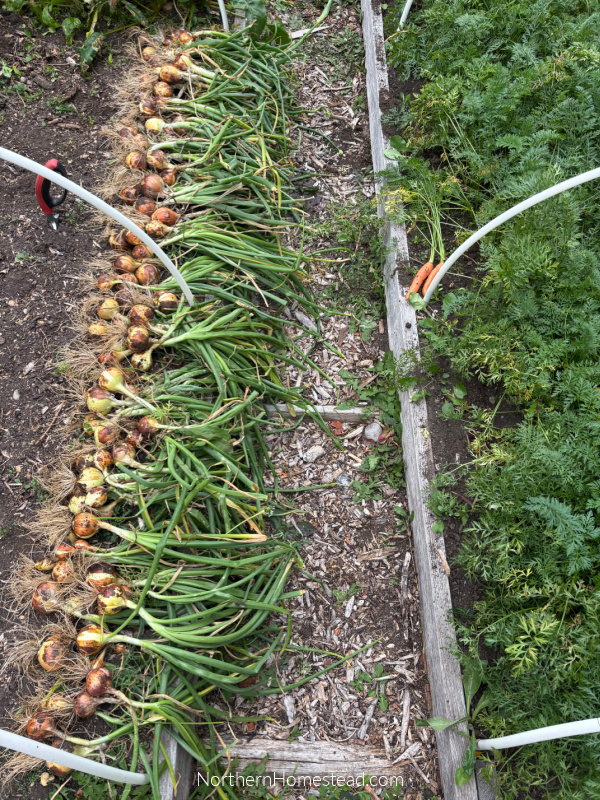
As the weather cools toward the first frost, harvest onions and winter squash. Although both can tolerate some frost, it’s still preferable to collect them beforehand. Also, cucurbit family plants don’t tolerate frost and become really mushy if they get hit by it. Harvest them and get the plants out before that happens.
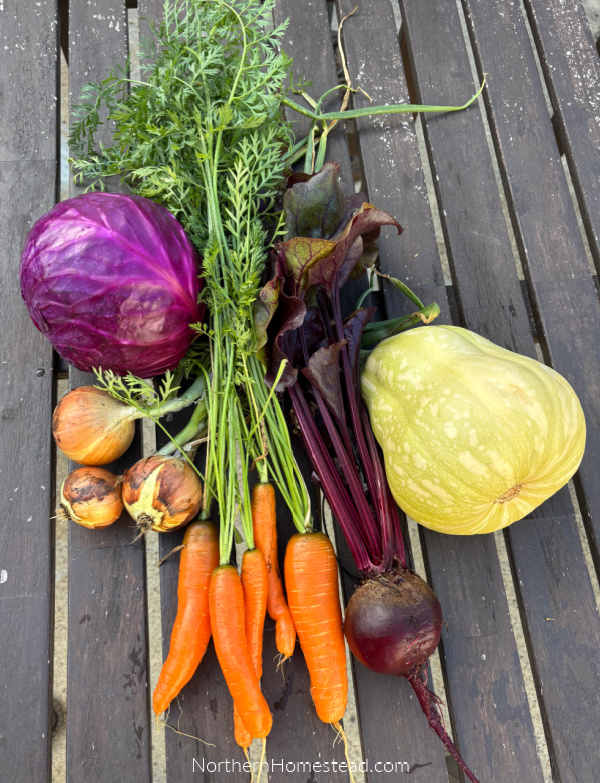
In the case of carrots and beets, they tend to become sweeter after a frost, so you can leave them in the ground a little longer. However, if you plan to store them, harvest them shortly after the first frost during a dry spell. You can also harvest the bigger, mature beets that store well sooner, and leave the smaller ones for pickling later in the ground longer.
Lastly, you can leave potatoes in the ground until the end of the harvest season. As they are fully underground, they will not freeze until the ground does. They also do not become sweeter or improve in quality, but when the first frost kills the tops of the plants, the skin begins to mature. Therefore, it makes sense to keep them in the ground for as long as possible. Also use the longer harvesting window for potatoes to catch a dry spell. Dry soil falls off the tubers, making carrying for the harvest easier, since you don’t have to deal with overly dirty potatoes.
What Happens Immediately After the Harvest?
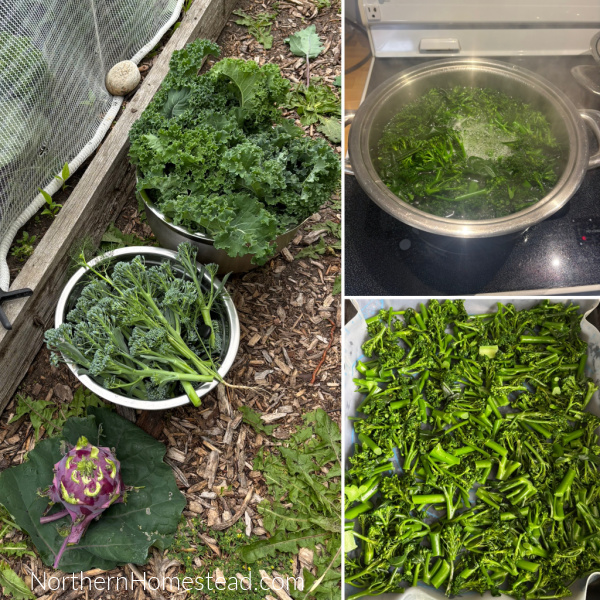
After harvest, different plants require different care. This is the crucial step between the harvest and the preserving fun. We have already covered some of it. Place tender vegetables in cold storage right away, while tomatoes and mature zucchini do better in a dry location. Green tomatoes can ripen nicely if laid out in a single layer in a dry place.
Some vegetables need curing, which means drying them out. To cure these, lay them out in an airy area, away from direct sunlight. Vegetables that require longer curing times include garlic, onions, dry beans, and squash. Once cured, store them in a dry place. Potatoes need shorter curing times; simply lay them out to dry before placing them in a root cellar or cold storage.
Some vegetables need to be stored in cooler temperatures right away. Most root vegetables, such as carrots, beets, and turnips, fall into this category. If left out, they will wilt. Remove the greens and store these vegetables in cold storage immediately after harvesting.
For beets, you do not need to wash them. Instead, just cut off the greens, leaving about an inch, and place them in cold storage. You can either bag them in the fridge or store them in a container in the cellar. You can store carrots the same way. I have had good experiences cutting off both ends, washing them, and then storing them in a bag in the fridge, but different people have different methods. The key is to attend to them immediately after harvest. Later, you can preserve these root vegetables in various ways; check out a dozen ways to preserve carrots and 3 ways to freeze beets.
The Best Time of Day to Harvest
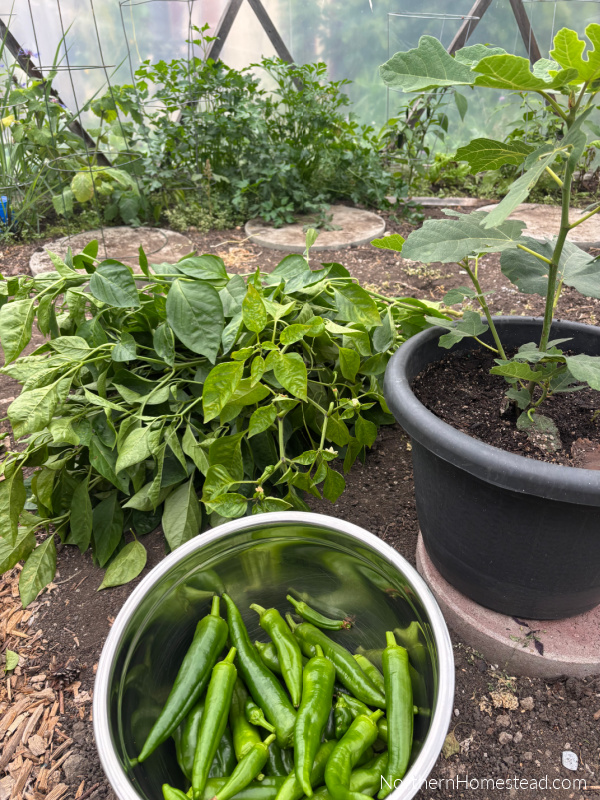
The best time to harvest is early in the morning for two main reasons. First, vegetables are freshest in the morning. Second, harvesting early gives you the entire day to handle the harvest, reducing the risk of forgetting about your vegetables or letting them spoil.
Although in reality harvesting often happens in the afternoon or evening, it’s important to consider what happens to the vegetables after they’re picked. Having enough time to care for your harvest is crucial, as it helps maintain quality and prevents spoilage.
Do not take pride in a big harvest hauls
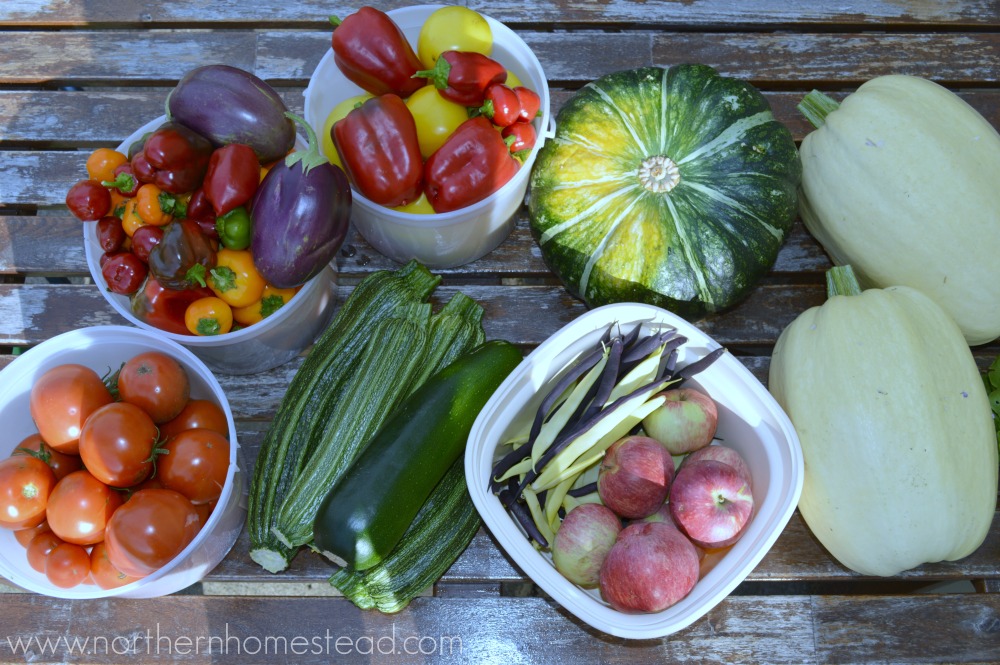
While it can be impressive to showcase a large collection of produce, I strongly encourage you not to. From experience, I know how challenging it can be to manage the harvest after a long day of picking. Sometimes, unexpected weather changes or scheduling conflicts make it necessary to attend to everything at once. In those cases, prioritize tasks that need immediate attention and save the rest for later.
It’s best to avoid aiming for massive hauls whenever possible. Although a kitchen filled with freshly harvested vegetables looks great, storing them properly to retain their taste and quality takes a lot of work. Just like planting, you can harvest gradually, plant by plant, which can help you maintain the joy of gardening.
In conclusion, effective harvesting is crucial to maximizing your vegetable garden’s bounty. By understanding when to harvest and how to care for your crops post-harvest, you can make the most of your efforts throughout the growing season. Don’t let the end of the season catch you off guard! Start planning your harvest strategy now, and if you found this information helpful, share your thoughts or experiences in the comments below. Let’s keep learning and growing together!
Subscribe to Northern Homestead and follow us on Instagram, Facebook, or Pinterest for the latest updates.
More Growing Food Posts You Might Enjoy:

NEWSLETTER SIGNUP

Leave a Reply