
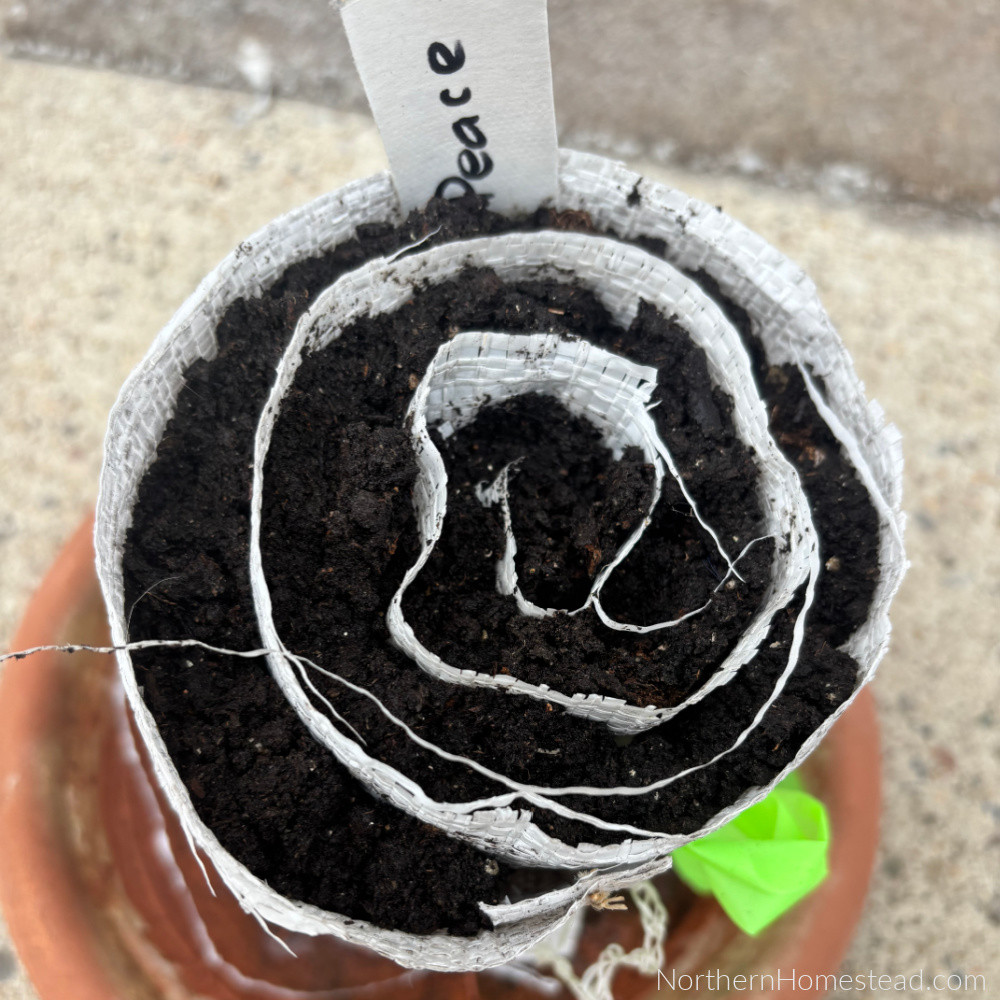
Seed snails, also known as snail rolls, are becoming popular in the gardening world as a new method for starting seeds. However, I first learned about this technique many years ago from experienced Russian gardeners. At the time, I recognized it as an option but didn’t find it particularly useful for my gardening needs. Now, years later, I realize I should have introduced you to it earlier, since we could all have been way ahead of this “new” trend.
What is a Seed Snail?
A seed snail is essentially a roll made from a holding material, filled with seed-starting or potting soil. The first roll I encountered was made from folded newspapers, if I remember correctly. To illustrate this method, I cut up a compost bag into strips. Some people recommend using new materials, such as foam wrap, instead.
To create a seed snail, fill the roll with damp soil of your choice and then roll it up. Secure it in place with a rubber band or any other type of band, and there you have it!
How to Make a Seed Snail
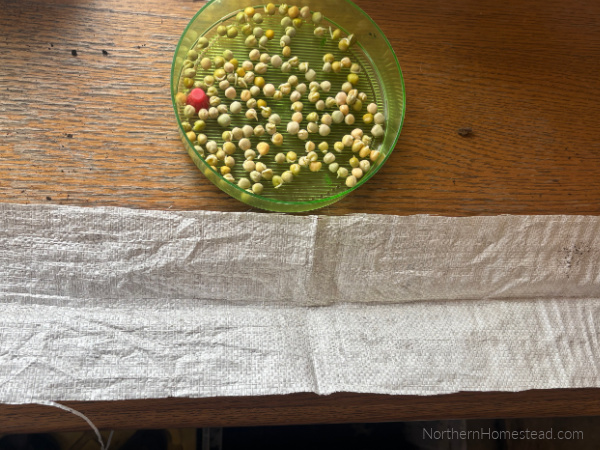
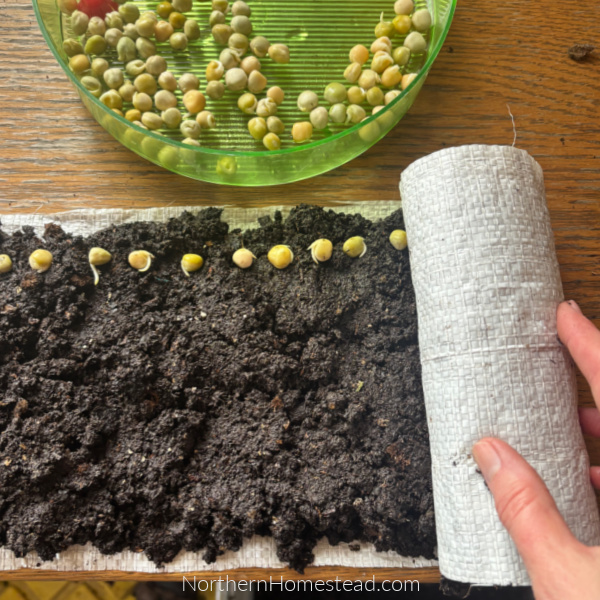
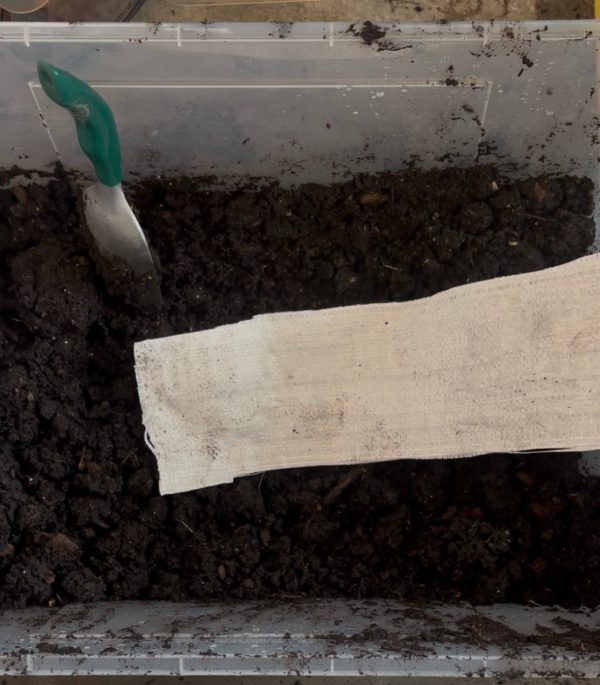
The length of the seed rolls can vary to suit your preferences, but I find that 2 to 3 feet is a good size. You can fill the roll by laying it on a surface and layering the soil onto it, as I show in the accompanying picture. Another option is to add handfuls of soil and roll it up as you go. The latter method tends to be less messy since you can do it in a container filled with soil. However, if you wish to plant larger seeds, laying the roll flat on a surface is the best option.
The height of the seed snail can vary widely; the key is to ensure it can stand upright. If you’re making taller seed rolls for plants with longer roots, make them thicker by adding more soil or using a longer roll.
Regardless of how you choose to fill the rolls, make sure the soil fills the entire width. For roots to grow properly and for effective watering, there must be no air pockets—just solid soil throughout.
How to Seed a Snail Roll
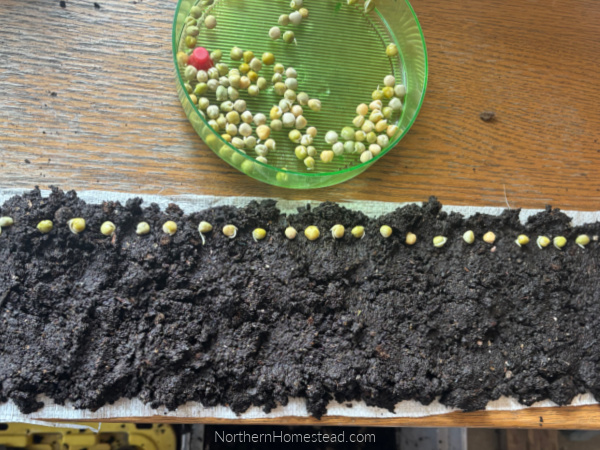
You can either place the seeds on top of the roll or insert larger seeds within the roll before rolling it up. When planting larger seeds, such as peas, it’s beneficial to sprout them in advance to speed up germination. I also recommend adding another layer of soil over the seeds before rolling the snail together. I thought of this as an afterthought, but if I were serious about starting seeds in a snail roll, I would consider it important.
For planting smaller seeds, it’s generally easier to roll the snail up first and then add the seeds on top, lightly covering them as you normally would.
Advantages of a Seed Snail
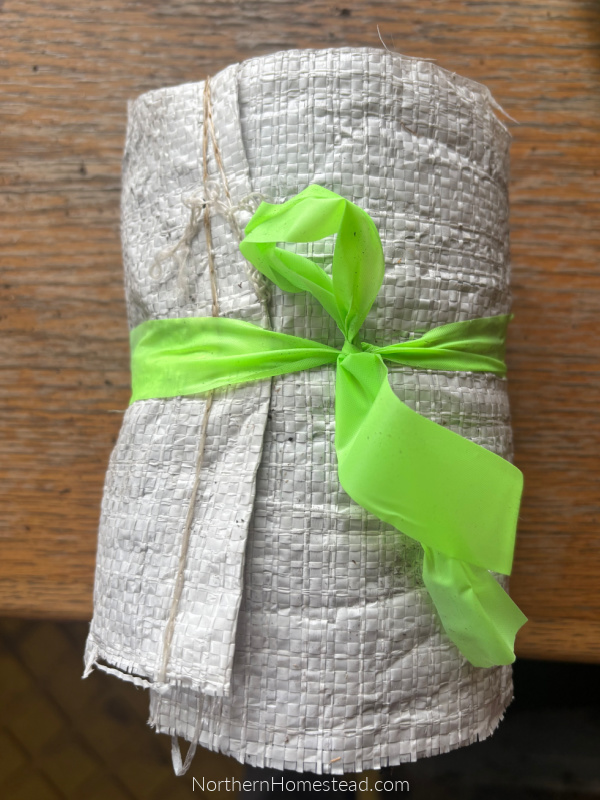
The seed snail method is great if you lack containers to start seeds or have limited space. You can grow numerous plants in a single roll on your windowsill. Plus, since you can use recycled materials, it’s a very low-cost way to grow seedlings.
Another advantage of seed snails is that you can start deep-rooted plants without the hassle of untangling a root ball at the end. You can even start root vegetables, like carrots, in a seed roll.
Disadvantages of a Seed Snail
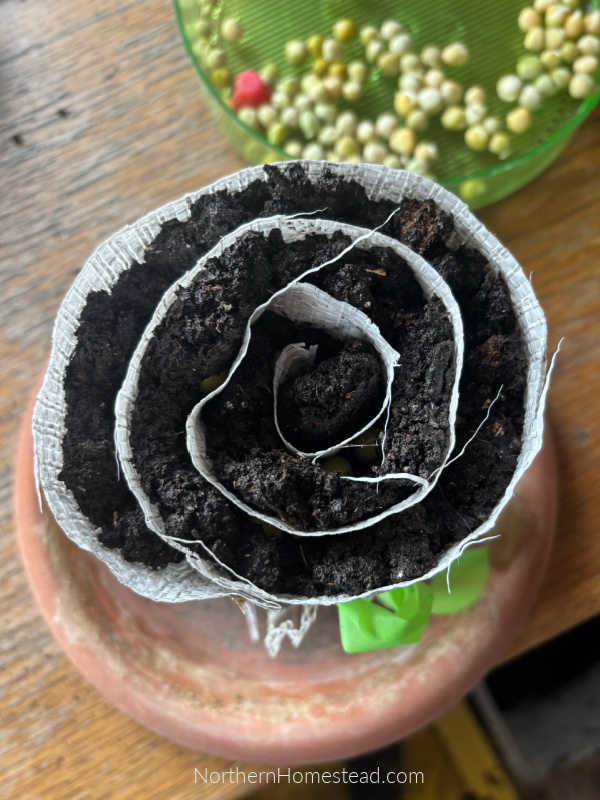
You might wonder why everyone doesn’t use seed rolls. The reason I hesitated to adopt this method initially—and still do—is because there’s nothing magical about seed snails. They function similarly to starting seeds in very small containers. Generally, we prefer the roots to develop nicely before transplanting. Some exceptions exist, such as plants in the cabbage family, which can be started in small containers and even easily divided later. I’m not sure whether using materials like plastic or foam between layers for unrolling provides any real advantages.
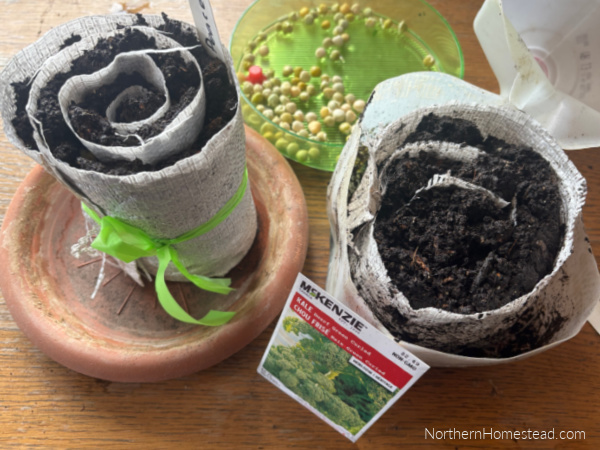
Unless I want to start carrots early or certain ornamental grasses that have long roots, I likely won’t be making more seed snails anytime soon. However, who knows? If the peas I started turn out well, I might change my mind. I’ll keep you posted.
Snugs: An Exception?
Before we wrap up, let’s discuss snugs. Snugs combine winter sowing and seed snails in one method. If you’ve done winter sowing, you may know it can be challenging to remove seedlings from a milk jug since they often end up tangled together. Thus, using a seed roll inside the milk jug is a clever idea.
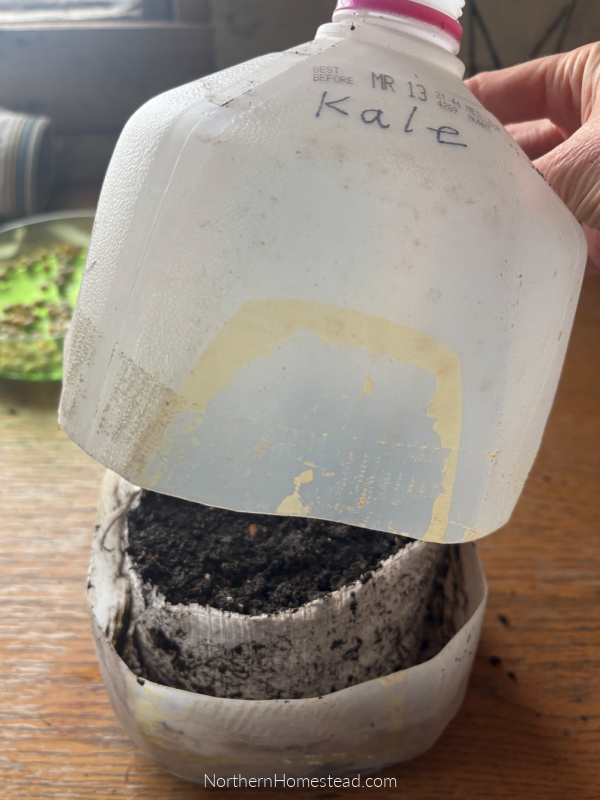
Will this method truly make transplanting easier? We’ll have to wait and see. Personally, I tried it and started some kale this way.
Have you ever heard of or used seed snails? Please share your thoughts in the comments below.
We invite you to subscribe to Northern Homestead and follow us on Instagram, Facebook, or Pinterest for the latest updates.


I’ve seen them but haven’t tried them. It’s what I’m already ‘Invested In” that counts to me, though the last idea with the jug looks promising. I do have one small grow light but I’ve tried “not” to become dependent on grow lights for my seed starting and the cost of power has escalated. I’ll only use it if I’m under stress if something hasn’t taken off in the garden under it’s jug, which I’ve had pretty good luck with. My seed starting trays in a clear Rubbermaid container has worked very good so far and they do pretty good even on cold clear days as long as they get sunlight and are brought in before the sun sets.
I hear you. If something works, you’d better stick to it. It was an interesting experiment though to try. Very much looking forward to seeing the combination of winter sowing and seed snail. But with the weather as it is, we might not see growth anytime soon.